News - Jurassic Fossil Collection Sold Abroad: A Cultural Loss for the UK
Business Strategy
Jurassic Fossil Collection Sold Abroad: A Cultural Loss for the UK
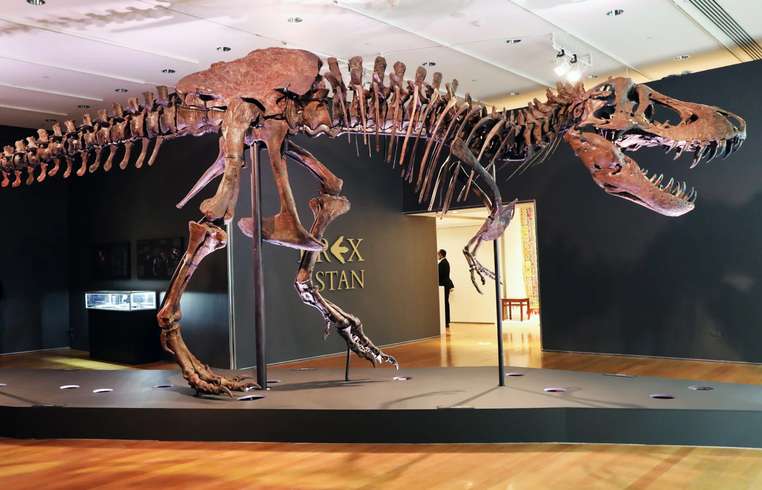
A significant development in the world of paleontology has unfolded as a vast and valuable fossil collection from the Jurassic coast of the UK has been sold to the Natural History Museum in Abu Dhabi. This transaction has sparked discussions among British experts and institutions about cultural heritage, resource allocation, and the challenges faced by UK museums in preserving national treasures. The collection, meticulously built over several decades by Dorset's renowned fossil collector Chris Moore, encompasses 318 meticulously preserved specimens, including rare ichthyosaurs, crustaceans, and other prehistoric creatures that once inhabited Earth's ancient seas. These fossils not only tell the story of the region's paleo-environment but also the biological history of some of the planet's earliest marine creatures. According to sources from The Guardian, the decision to sell was prompted by the inability of British museums to secure sufficient funding to acquire the collection, despite its undoubted national significance. Experts within the UK paleontological community have expressed regret and concern over the transaction, noting the collection's extraordinary scientific value as well as its embodiment of the UK's rich geological heritage. While the sale of private collections such as this is entirely legal, it highlights the financial challenges faced by UK museums and academic institutions in competing with international buyers who often have access to larger budgets. This incident is viewed as a poignant reminder of the broader issue concerning the adequacy of support and funding for cultural institutions in preserving national artifacts. The Fossil collection's journey from Britain's Jurassic coast to Abu Dhabi underscores the increasingly competitive and globalized nature of fossil collecting. It calls for more substantial government support, philanthropic investment, and innovative funding models to ensure that future opportunities to preserve the UK's natural history within its borders are not missed. Chris Moore, whose life's work has now taken on a different voyage, reflected on the sale with mixed emotions. Although pleased with the collection's future in a reputable institution, there remains an underlying sadness associated with the transference of a part of British history to a foreign land. Experts within the UK hope to galvanize support to prevent such cultural losses in the future, focusing on securing collections for British public benefit and scientific study. This sale reiterates the urgent need for a strategic approach to securing and preserving artifacts of national and scientific importance. It serves as a compelling case for British institutions and the government to collaborate closely to empower museums to better navigate the challenges of the global marketplace.
About usyoo

Categories
Tags