

News - New Costa Rican Tree Frog Species Discovered
Business Strategy
New Costa Rican Tree Frog Species Discovered
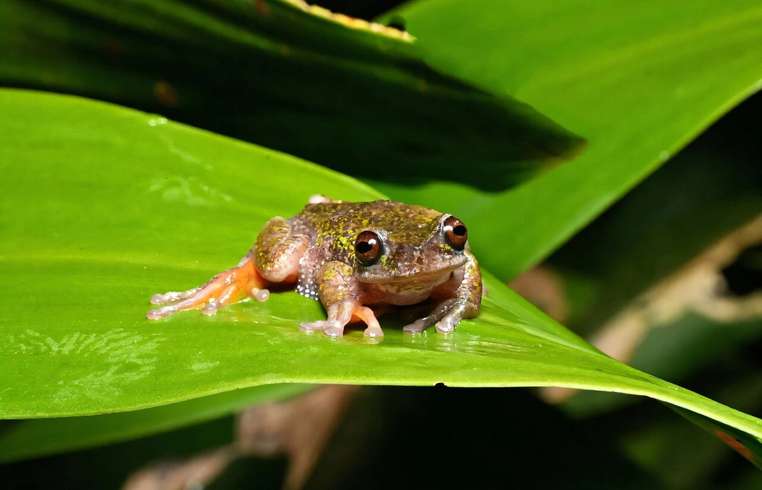
In a remarkable discovery on the lush Pacific coast of Costa Rica, researchers have identified a new species of tree frog, adding to the rich biodiversity of this Central American nation. Known informally as the 'coffee frog' due to its habitat in coffee plantations, the amphibian measures less than 4 centimeters in length and boasts a striking green hue that blends seamlessly with the local foliage. This newfound species, scientifically documented by a team of herpetologists from several esteemed institutions, highlights the ecological diversity unique to tropical regions. However, the frog's habitat is under threat from agricultural activities. With coffee production being a significant economic activity in Costa Rica, the use of pesticides in plantations presents a grave danger to the delicate balance of ecosystems where the 'coffee frog' resides. The discovery took place in the region of San Lorenzo de Tarrazú, where local and international researchers collaborated on the study. Despite being a recent addition to the catalog of known species, this amphibian's presence draws attention to larger environmental issues. Pesticides, while beneficial to crop yields, often seep into the surrounding environment, contaminating water sources and threatening the biodiversity they depend upon for survival. The research findings offer a clarion call to stakeholders across the board, from government agencies to coffee farmers, emphasizing the importance of sustainable farming practices that safeguard the environment. As articulated by Dr. Jimenez, one of the leading researchers, 'Our discovery underscores the need to rethink how agriculture and conservation can coexist harmoniously.' Efforts are now underway to petition for stronger environmental protections and promote organic farming practices. By integrating ecological considerations into agricultural methods, Costa Rica aims to preserve its unique biodiversity, ensuring that species like the 'coffee frog' can thrive for generations to come. This discovery not only enriches our understanding of the natural world but also serves as a catalyst for change in how we interact with the environment. The ongoing dialogue between conservationists and the agricultural sector continues, with hope to implement measures that will protect these invaluable ecosystems. As Costa Rica garners global attention for its environmental initiatives, the story of the 'coffee frog' adds to its legacy as a nation both deeply connected to and protective of its natural heritage.
About usyoo

Categories
Tags