
News - Blanche Receives Attorney General Nomination Amidst Stalled Iran-Oman Deal
Business Strategy
Blanche Receives Attorney General Nomination Amidst Stalled Iran-Oman Deal

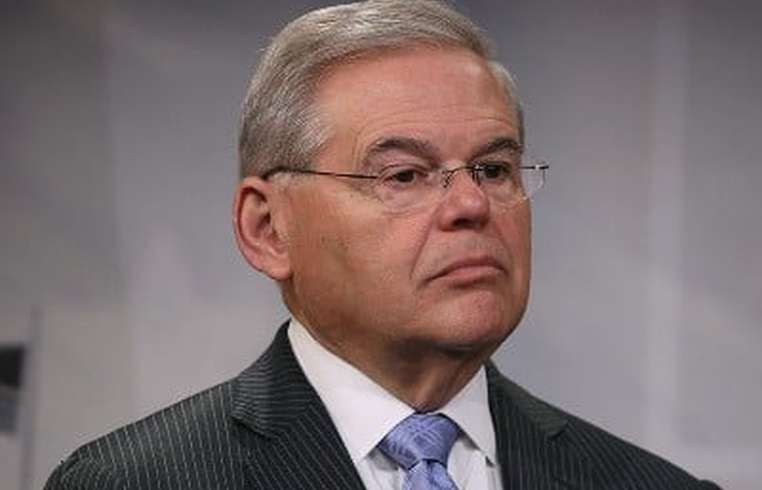
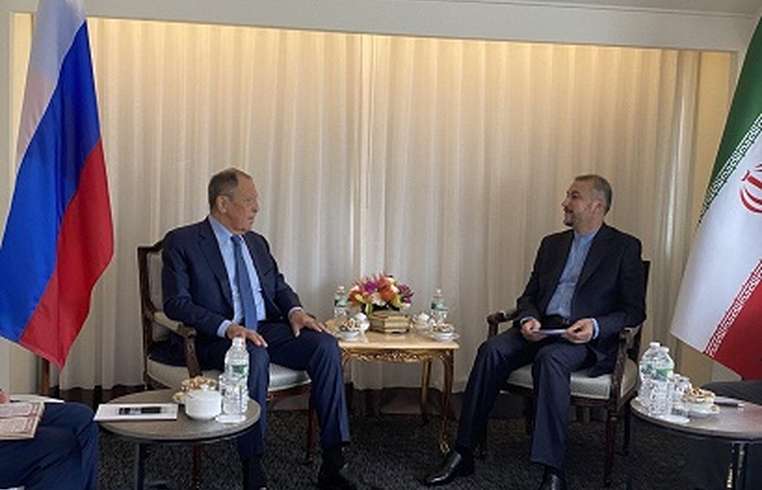
In a week marked by major political movements, Todd Blanche has been confirmed as the U.S. Attorney General following an arduous confirmation process. His journey to the top legal post involved navigating through intense scrutiny and partisan debates, evidencing the high stakes and divided landscape of contemporary U.S. politics. Blanche's confirmation brings to the forefront not only his qualifications and legal acumen but also the deep-seated divisions within the political corridors of Washington. Analysts noted that securing this position was a test of political strategy and perseverance, reflecting the charged atmosphere of present-day governance. Simultaneously, on the global stage, a significant diplomatic initiative is encountering obstacles. The proposed pact between Iran and Oman intended to jointly manage the strategic Strait of Hormuz has hit a delay. The agreement, seen as a critical balancing act in an increasingly volatile region, was anticipated to open a path for enhanced security cooperation and maritime stability. Negotiations had shown promise, with both nations indicating willingness to collaborate for mutual benefit, and easing tensions in one of the world's key maritime chokepoints. However, internal disagreements and external pressures have caused a standstill, leaving the outcome uncertain at this juncture. These developments underscore pivotal moments in both national and international arenas, reflecting the intricate interplay of political power and global diplomacy. As both the U.S. navigates its internal appointments and the Middle East seeks regional stability, the outcomes of these efforts bear significant implications for future political landscapes and international relations.
About usyoo

Categories
Tags