

News - Court Deems Absentee Voting System Unfair to Disabled Voters
Business Strategy
Court Deems Absentee Voting System Unfair to Disabled Voters
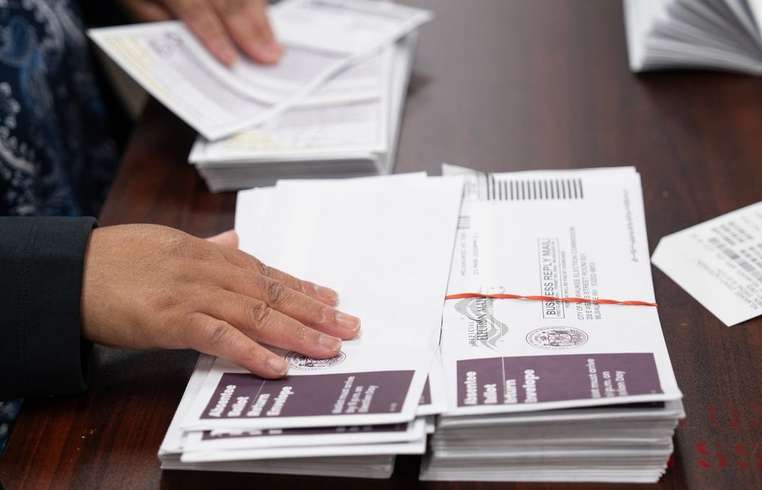
In a significant judicial decision, Judge Everett Mitchell of a Dane County circuit court has declared Wisconsin's absentee voting system as discriminatory against voters with print disabilities, violating the Americans with Disabilities Act. This ruling underscores the systemic challenges faced by disabled voters, particularly those with impairments like visual disabilities or conditions such as spinal muscular atrophy, which hinder their ability to fill out ballots independently. The legal decision points to the inequity posed by the current requirement for voters with disabilities to seek external assistance when marking and returning their paper ballots. Judge Mitchell's advocacy for a reformed system aims to ensure that these individuals can participate in the democratic process with the same privacy and independence afforded to other voters. Law Forward Staff Counsel Scott Thompson hailed the ruling, emphasizing that equality in voting is a legal necessity and that this judgment reinforces their argument against such discriminatory practices. However, despite this progressive step towards inclusivity, the ruling stops short of mandating immediate remedial actions. Particularly, it does not compel election bodies to implement electronic voting solutions in time for the forthcoming general election. Instead, the judge has scheduled further proceedings to explore viable solutions, with subsequent discussions set to continue post-August 12th hearing. This ongoing legal battle, originating from a 2024 lawsuit by a coalition including Disability Rights Wisconsin and the League of Women Voters, seeks to reshape voting accessibility laws. The plaintiffs argue that the current methods are fundamentally flawed when it comes to serving individuals unable to interact with traditional paper ballots. The anticipated trial aims to carve out a more inclusive electoral pathway that embraces technological advancements in electronic ballots to cater to diverse voter needs. This case highlights a broader conversation on how electoral systems can adapt to be more inclusive, ensuring that every citizen, regardless of physical capabilities, has equal access to the cornerstone of democracy - voting.
About usyoo

Categories
Tags