News - Michigan's Green New Deal Sparks Economic Debate
Business Strategy
Michigan's Green New Deal Sparks Economic Debate
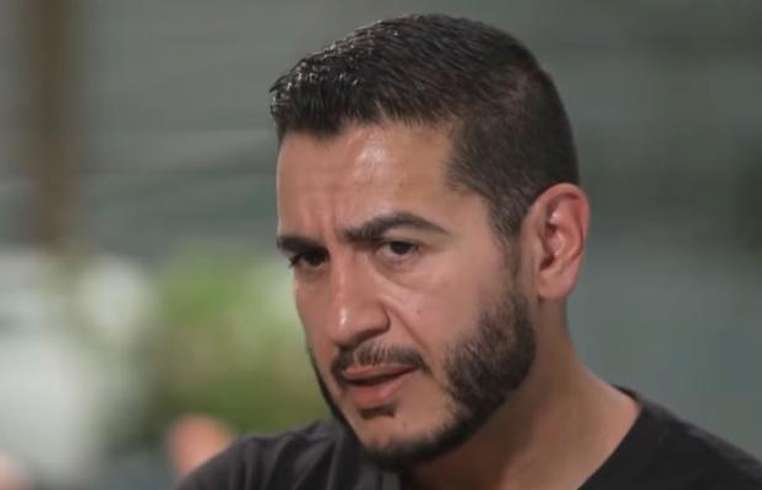
With Abdul El-Sayed securing the Democratic nomination for Michigan's U.S. Senate seat, the spotlight has turned to his environmental policies, particularly his backing of the Green New Deal. Power The Future, an energy-focused nonprofit, is voicing strong opposition, highlighting potential financial impacts on Michigan families. They raise concerns that the proposed policies could impose substantial economic burdens, with research suggesting households may face costs approaching $75,000 in the first year alone. The subsequent years could entail $47,000 annually, reflecting a substantial increase in living expenses. The organization's Executive Director, Daniel Turner, draws parallels to economic collapse scenarios, emphasizing the cautionary tale of Cuba in comparison to potential outcomes of El-Sayed’s agenda. This analysis stems from a broader study across 11 states, conducted alongside the Competitive Enterprise Institute, prior to the Green New Deal’s Congressional failure. El-Sayed's campaign outlines an ambitious environmental agenda, including the shutdown of the Line 5 pipeline, advocating significant investments in renewable energy resources such as solar and wind. His platform insists on integrating environmental justice into federal agency mandates. Moreover, El-Sayed views extreme weather conditions as evidence of a climate crisis warranting federal intervention. Additionally, his campaign critically addresses the oil and gas sector, alleging misinformation and environmental negligence, yet the specifics of these claims remain unspecified on his website. The discussion around these policies ignites a debate on whether the ecological benefits outweigh the claimed financial strains, underlining a pivotal issue in El-Sayed's Senate campaign.
About usyoo

Categories
Tags