News - European nations break heat records amid a severe heatwave
Business Strategy
European nations break heat records amid a severe heatwave
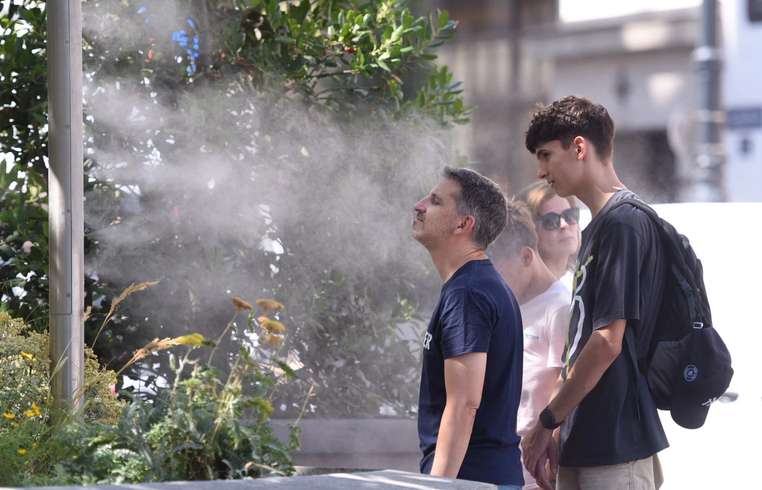
Austria and Slovakia are grappling with unprecedented heatwaves, setting new national temperature records that underscore the severity of the climate crisis impacting Europe. In Slovakia, a preliminary record high of 41.4°C was observed in Kamenica nad Hronom, reflecting a significant spike in the country's historical temperature records. Concurrently, Austria experienced scorching temperatures reaching 41.2°C, marking the consecutive day of extreme heat. These surges come as part of a broader weather pattern affecting the region, with GeoSphere Austria reporting alarmingly high daily averages. As the heat grips the continent, the impacts are manifold. Industrial operations, such as Slovenia's 'Krško' nuclear plant, are adapting to the harsh conditions by scaling back electricity production. Operating at now 80% capacity, the plant is compelled to reduce output due to dwindling water levels in the Sava River, which is crucial for cooling systems. Meteorological data points to an unusual alignment of atmospheric conditions that have amplified solar radiation across Eastern and Central Europe. Experts suggest that the current patterns are likely to persist in the immediate future, posing risks to human health, agricultural yields, and energy infrastructure. In response to the rising temperatures, governmental and local health agencies are issuing guidelines to mitigate heat-related risks. These include recommendations to stay hydrated, avoid outdoor activities during peak heat hours, and ensure public spaces are equipped to provide relief from the heat. The broader implications of this heatwave extend into discussions about climate resilience and the need for sustainable infrastructure that can withstand such extreme weather events. As Europe confronts the immediate challenges posed by this record-breaking heat, it also must grapple with long-term strategies to combat the impacts of climate change.
About usyoo

Categories
Tags