

News - US Air Force B-52 Upgrades Exceed Budget Expectations
Business Strategy
US Air Force B-52 Upgrades Exceed Budget Expectations
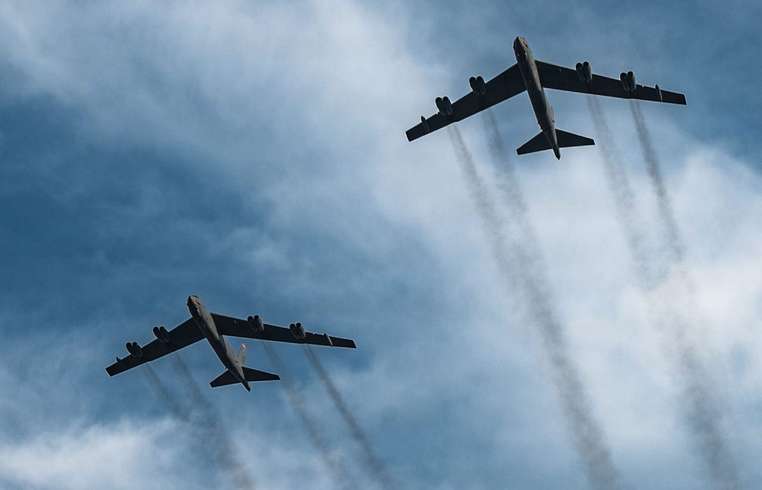
As the US continues its effort to modernize the B-52 Stratofortress bombers, the program is facing financial and logistical challenges. The Government Accountability Office (GAO) reported that the revised budget for the initiative has increased by several billion dollars, affecting the schedule intended to equip these 70-year-old aircraft to operate well into the mid-21st century. Originally designed during the early Cold War era, the B-52s remain an essential part of the nation’s strategic arsenal, appreciated for their long-range and payload capabilities. Among the 13 planned upgrades, many are encountering cost increases and project delays. The Commercial Engine Replacement Program, the most expensive upgrade, alone has seen cost estimations rise by $3 billion after 2023. This engine update, featuring advanced Rolls-Royce engines, has had its initial operating year delayed by over 15 months. Importantly, the program is advancing towards production with limited flight tests, a risk acknowledged by oversight bodies. Other upgrades, such as advanced radars and communication systems, are also experiencing difficulties with timelines and budgets. The bombers are set to receive the AGM-181 Long-Range Standoff weapon, a key addition for maintaining nuclear deterrence, although simultaneous enhancements have created overlapping resource constraints. GAO's recent findings emphasize previous concerns: rapid concurrent developments could inadvertently impact other systems on the aircraft. In response, the GAO recommends reassessing the production timeline and closely examining the elevated costs. Defense leaders praise the modernization strategy despite current constraints, highlighting its necessity to counter emerging global threats and maintain capability dominance. In Congressional meetings, military leaders have described the B-52 transformation as crucial for strategic deterrence and akin to a new aircraft, affirming the project’s long-term military value. Recent deployments as part of the US's strategic shift have highlighted these aircraft’s resilience, but ongoing modernization issues also reflect broader systemic challenges facing the American Air Force fleet, which is experiencing an unexpected decline in size and technological contemporaneity.
About usyoo

Categories
Tags