News - Hochul Confronts MTA Financial Crisis Amidst Escalating Free Bus Debate
Business Strategy
Hochul Confronts MTA Financial Crisis Amidst Escalating Free Bus Debate
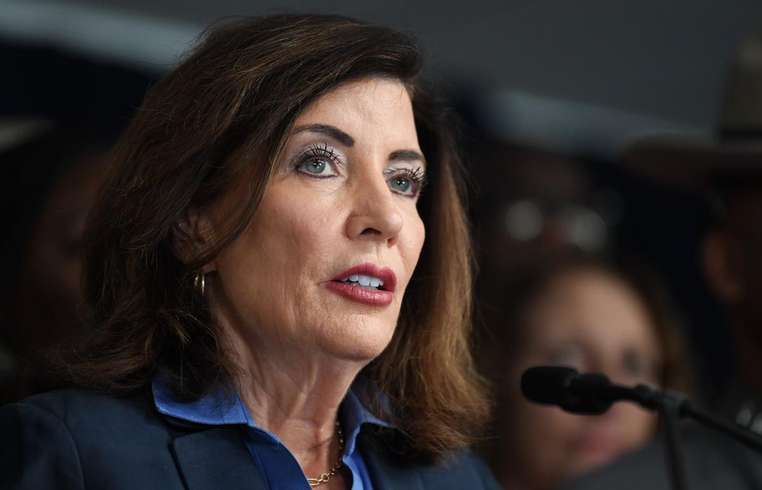
The Metropolitan Transportation Authority (MTA) is grappling with severe financial challenges, highlighted by mounting deficits projected to reach $900 million by 2030. MTA chief Janno Lieber points to increased bus-fare evasion, exacerbated by Mayor Zohran Mamdani's advocacy for free bus services. Mamdani's rhetoric has led to a cultural shift, with over 48% of bus riders now evading fares. Lieber acknowledges progress in fare enforcement but emphasizes the increasing strain posed by public discourse on free buses. Governor Kathy Hochul is under significant pressure to address these fiscal shortfalls. The MTA's spending, driven by significant increases in health benefits and previous union settlements, further complicates the budget landscape. Health benefits for workers have surged from $2 billion in 2019 to an anticipated $3 billion in 2027. A recent settlement following the LIRR strike, offering a 3.8% raise, sets a precedent potentially affecting wider labor negotiations and adding nearly $200 million annually to the budget. Hochul's task is multifaceted. First, she must definitively state that free bus services are unsustainable, forestalling the budget from losing $1.1 billion annually. Rededicating efforts to fare enforcement, especially on buses, is crucial. Here, cooperation between the MTA's civilian teams and the NYPD is pivotal. A new initiative allows front-line checks for fare payment, but Hochul might need to push for more robust police involvement if current efforts falter. Furthermore, Hochul must navigate the implications of union negotiations carefully. Wage increases should be balanced with operational efficiencies, addressing issues like excessive bus driver sick leave that hampers service quality. With fare and toll increases already part of future planning, guarding against additional burdens on riders is vital. Congestion pricing, an initiative with transformative potential, also factors into these dynamics, yet requires strategic cost management to fulfill its promises rather than becoming just another financial burden on the populace. As the MTA's financial health hangs in a precarious balance, Hochul's response will determine whether rhetoric can be steered into constructive policy, ensuring fiscal stability while addressing public transportation needs.
About usyoo

Categories
Tags