News - A tragic ferry blaze near Madura Island leaves 41 people missing.
Business Strategy
A tragic ferry blaze near Madura Island leaves 41 people missing.
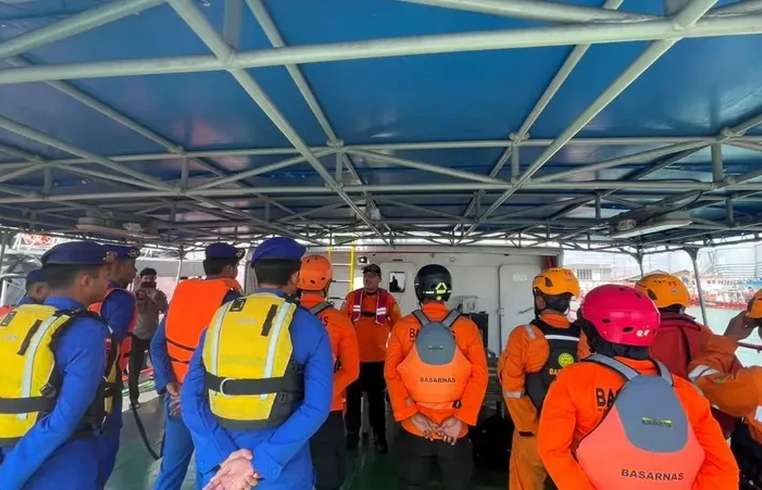
In a heartbreaking maritime disaster near Indonesia's Madura Island, a devastating fire tore through a passenger ferry, leaving at least five dead and causing significant concern as 41 passengers remain unaccounted for. According to local reports, the ferry was carrying a total of 271 people, including both passengers and crew, during its voyage from Surabaya to Makassar. The tragedy has highlighted ongoing safety and regulatory challenges within Indonesia's maritime transportation industry. The National Search and Rescue Agency of Indonesia has been leading the efforts to find the missing passengers. So far, 225 individuals have been safely rescued from the lifeboats and rafts that were deployed when the fire broke out. The search efforts have been critically hampered by the vastness of the region and the difficulties in marine navigation, but rescuers remain resolute in their mission. Initial investigations indicate that the fire originated from the engine room of the ferry, quickly spreading through the lower decks and making its way upwards, forcing passengers to evacuate into the water. Many survivors recount terrifying moments as they scrambled to make their way to safety amid the billowing smoke and chaos. The Indonesian government has launched a full probe into the cause of the fire and has vowed to take necessary measures to prevent similar incidents in the future. Safety standards and emergency protocols aboard Indonesian vessels are already under scrutiny, and this incident underscores the critical need for enhanced oversight and regulatory compliance to protect the lives of passengers and crew members. Families of the missing are gathering in Madura Island and neighboring regions, anxiously awaiting news of their loved ones. Support and counseling services are being offered to these families by local government agencies and non-profit organizations. This incident brings to light the broader challenges faced by Indonesia's ferry services, which are vital links for the archipelago's numerous islands but often lack modern safety standards. As search crews continue their operation, there is a renewed call for stringent safety checks, better emergency preparedness, and an overall modernization of the naval fleet to safeguard against such tragedies in the future.
About usyoo

Categories
Tags