
News - Poland seeks answers regarding a Russian missile invasion.
Business Strategy
Poland seeks answers regarding a Russian missile invasion.
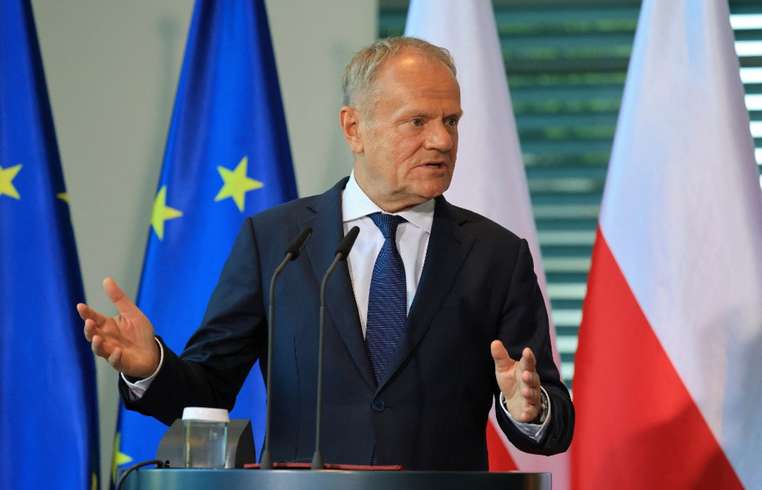
In an act of diplomatic assertiveness, Poland summoned the Russian ambassador following a Russian Kh-101 cruise missile crash-landing on its territory during a wave of attacks targeting Ukraine's capital, Kyiv, on Thursday night. This decisive action, announced in a statement by Polish Prime Minister Donald Tusk, highlighted Poland's demand for transparency and accountability from Russia regarding the accidental breach of its airspace. Polish Deputy Defense Minister Cezary Tomczyk confirmed the missile's Russian origin, linking it to strategic bombers used by Russia in the region. The incident is reminiscent of similar airspace violations in the region. Just a week earlier, Romania took a similar diplomatic stance, expelling a Russian diplomat after multiple drone intrusions threatened their airspace. Displaying regional coordination, Ukrainian Foreign Minister Andrii Sybiha engaged in diplomatic discussions with his Polish counterpart Radosław Sikorski, pledging full support and transparency in the subsequent investigations. This diplomatic gesture signifies a thaw in tensions between Ukraine and Poland, following Ukrainian President Volodymyr Zelensky's recent visit to Poland aimed at reconciling past grievances. However, the recurrence of such incidents underscores a significant concern within NATO's strategic discussions. Poland's Deputy Defense Minister Tomczyk warned of the potential for future provocations, stressing the importance of societal resilience and military readiness. The Organization for Security and Co-operation in Europe (OSCE) had previously been informed by the UK about an increasing pattern of Russian missile and drone attacks, raising alarms over potential escalations that could affect Europe if regional airspace violations continue. Early in the day, a coordinated Russian assault directed approximately 20 missiles toward Polish territory as part of a larger attack involving about 70 missiles against Ukraine. Despite Ukraine's defensive systems intercepting the majority of these missiles, one avoided interception as it neared Polish borders, prompting tactical precautions from air defense units. Footage widely circulated online shows the missile's breach over the Lublin region, highlighting the strategic concerns involved. Polish defense systems were actively monitoring these developments, ready to take defensive measures if necessary.
About usyoo

Categories
Tags