News - Stephen A. Smith Offers Heartfelt Apology to Kyrie Irving Over COVID Criticism
Business Strategy
Stephen A. Smith Offers Heartfelt Apology to Kyrie Irving Over COVID Criticism
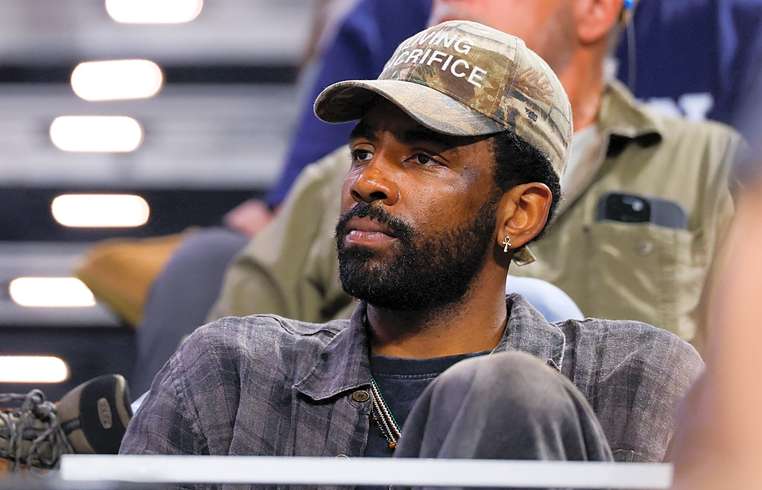
In a world where strong opinions often dominate sports commentary, Stephen A. Smith has carved out a niche by never shying away from speaking his mind. However, his recent revelation marks a significant departure from his established style as he publicly acknowledged misjudgment in his critique of Kyrie Irving's vaccination stance during the pandemic. Speaking candidly on The Stephen A. Smith Show, the ESPN analyst admitted, “Kyrie Irving did nobody wrong. We did him wrong. I did him wrong. And for that, I’m sincerely sorry.” Smith's apology highlights a shift in perspective toward understanding and empathy, reflecting on how public responses during the pandemic could have impacted individuals like Irving. The controversy dates back to 2021, when Irving's refusal to vaccinate against COVID-19 sparked a polarizing debate within the NBA. At the time, Smith was one of the outspoken voices insisting that Irving's decision was detrimental to his team, the Brooklyn Nets, and demanded the team trade him for not participating in games due to the city’s regulations on unvaccinated citizens. Smith labeled Irving's actions as “flat-out stupid.” As time progressed, Smith's reflections were influenced by unfolding events, particularly his reference to Dr. Anthony Fauci’s recent legal developments where Fauci's actions raised public suspicion. Smith noted how evolving contexts can alter perceptions, stating, “That suspicion alone justifies the skepticism, the cynicism, and the doubt that came along with the Kyrie Irvings.” Irving’s stance was never just about personal health choices; it highlighted the broader cultural and ethical debates about personal freedom and public health responsibility. Throughout, Irving maintained, “It’s about being true to what feels good to me,” confronting public scrutiny for his decision. Irving’s legacy, shaped by battles beyond basketball technicalities, includes dealing with New York’s strict vaccination policies, leading to his eventual trade to the Dallas Mavericks in 2023. Smith’s apology represents a rare yet pivotal moment in sports media, where the focus is not just on athletes but also on media figures who shape public discourse. By concluding with “Peace and love” and reassessing his responsibility, Smith not only redirects the narrative but also exemplifies a moment of introspective learning within a highly scrutinized profession.
About usyoo

Categories
Tags