News - The death of a former pastor from Las Vegas stirs up mystery and reveals stories from the past.
Business Strategy
The death of a former pastor from Las Vegas stirs up mystery and reveals stories from the past.
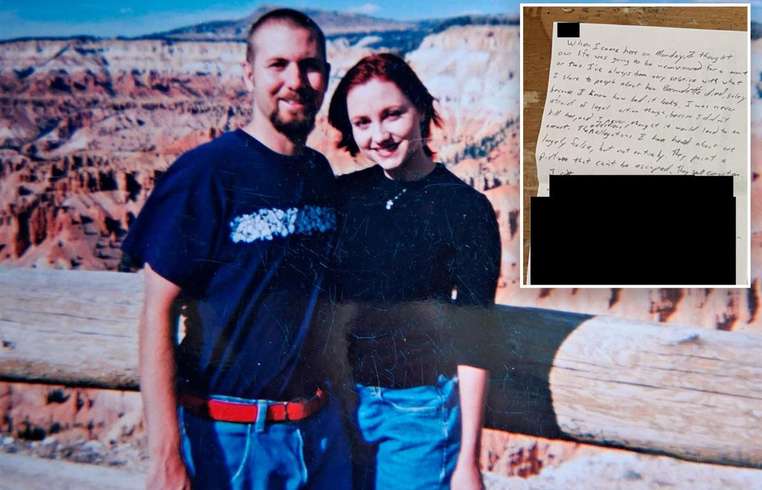
The bizarre demise of former youth pastor David Vander Meer in a Nevada jail adds complex layers to an already tangled narrative spanning decades. Once cherished as a guiding light in his community, Vander Meer stood accused of a crime from two decades ago — the alleged murder of his wife, Bernadette Vander Meer, through a cruel plunge off a precipice at Zion National Park in 2006, initially feigned as an accident due to scant evidence. Everything changed after a surprising development pointed to fresh testimonies from his past. Vander Meer's sudden arrest reignited curiosity, shocking his acquaintances and stirring old memories that questioned the initially accepted account of his wife's tragic end. As Vander Meer awaited extradition and trial in Utah, he penned a poignant note found beside his lifeless body. Within this final letter, he swore his innocence. Yet, aware of the hefty narrative woven against him — allegations he deemed were rampant with untruths but adequate to assure doom — he chose a silence that could neither confirm nor absolve. The death of Bernadette, once shrouded in ambiguity, resurfaced when tip-offs hinted at a darker story involving insurance scams and inappropriate behaviors with a minor, dating back to a time when he lived as an esteemed pastor. Striking accounts resurfaced, entangling him in a web of deceit, manipulation, and betrayal. His ascension to material comfort through life insurance policies stirred curiosity, coupled with the haunting shadow of an illicit love affair. Thus, with renewed vigor, the investigation deepened its reach into old chapters where friends whispered suspicions, and superiors reluctantly entertained theories of wrongdoing. Vander Meer's tale unfolds further with unproven assumptions, rooted in deep belief systems and marital entanglements that now stand void of defense after his untimely exit. What becomes of his legacy remains contentious; a martyr for some, an exposed conspirator for others. Unshackled from tangible testimonies yet bound by inquisitive apertures left from a faded life, Vander Meer's story casts ripples into the fabric of social recollection, provoking ponderous thoughts on past actions seeking reconciliation in unseen realities. Ultimately, the guise of innocence—a complex mix of proclaimed integrity and shadows of affliction—stands open for public scrutiny in a society keen to dissect, relate, and often condemn. As investigators dwell amidst the ashes of what cannot be fully retrieved, only fragments remain in the pursuit to reconcile narratives torn between appearance and truth.
About usyoo

Categories
Tags