News - Dzanga-Sangha: A Wildlife Tourism Beacon in Central Africa
Business Strategy
Dzanga-Sangha: A Wildlife Tourism Beacon in Central Africa
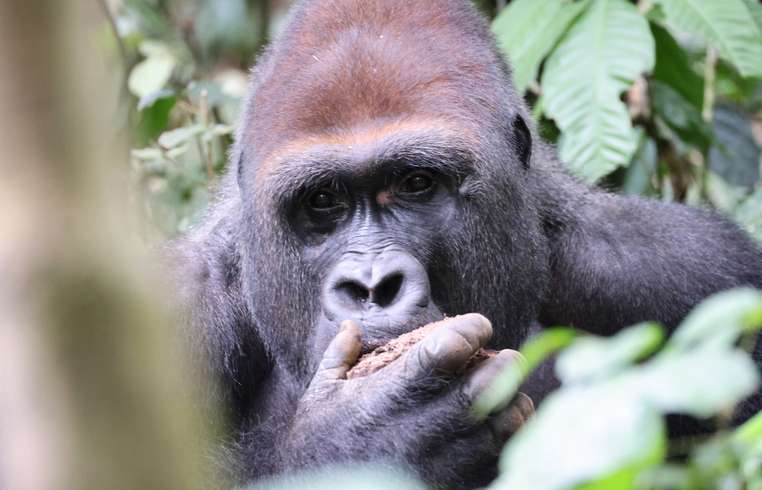
In a country often overshadowed by news of instability, the Dzanga-Sangha National Park in the Central African Republic is charting a path towards sustainable wildlife tourism and community empowerment. Located in the country's southwest, this protected area is becoming a hub for eco-tourism, drawing visitors intrigued by its unique biodiversity. The park is famous for its dense concentrations of forest elephants and habituated lowland gorillas, creating an exclusive allure for adventurous travelers. While figures reveal that around 800 tourists visited the park in 2025, these numbers might appear modest on a global scale, yet are significant for the local economy. Gervais Pamongui, deputy director of the Dzanga-Sangha Protected Areas, notes that this growth owes much to the region's relative stability as well as the intrinsic value of the park. Even as the park attracts more visitors, locals like tour guide Léonce Madomi present a nuanced view of the region’s risks, acknowledging security issues exist but noting Bayanga’s relative peace. Increasing tourism has brought tangible benefits to Bayanga and surrounding communities, with lodges reporting steadier business and enhanced job opportunities for guides and trackers. This influx of income, though unevenly distributed, supports crucial aspects of life such as schooling and healthcare. However, the full potential of tourism remains limited by ongoing challenges like poor infrastructure and socioeconomic disparities. Collaborative revenue-sharing models between communities, park authorities, and government entities have laid the groundwork for advancements in local services. These include health facilities, a mobile clinic, solar power initiatives, and community-based projects such as a human rights center and local radio station. Plans to improve visitor amenities, including Dzanga Bai's viewing platform, are underway. Yet it remains to be seen if these efforts can expand the economic benefits beyond the park's boundaries. Dzanga-Sangha epitomizes a promising yet nascent model of conservation and economic cooperation. Whether this model can catalyze broader regional economic growth, maintaining conservation priorities, hinges on continued development, community involvement, and securing broader lasting stability.
About usyoo

Categories
Tags