
News - Ukraine Calls for Urgent Aid Amid Renewed Russian Attacks
Business Strategy
Ukraine Calls for Urgent Aid Amid Renewed Russian Attacks
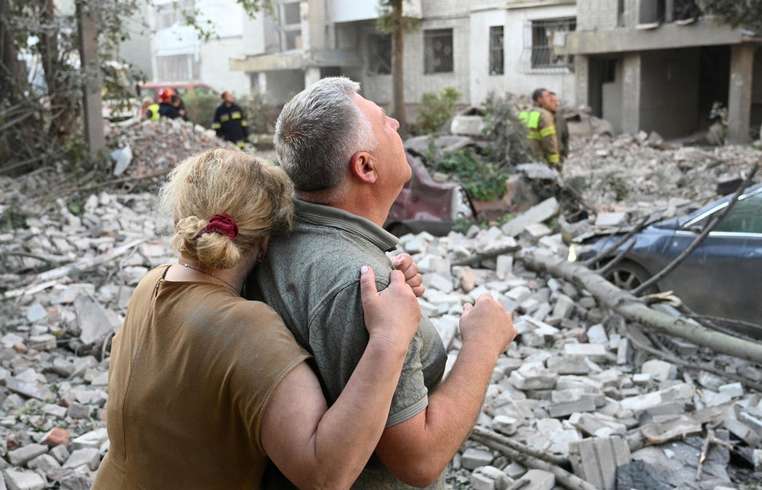
Amid the night’s silence broken by explosions, residents across Ukraine reeled from a fresh wave of Russian strikes that claimed at least eight lives and left many others injured. The relentless barrage, focused heavily on Dnipropetrovsk and Lviv, marked a tragic continuation of what has become an almost weekly occurrence. President Zelenskyy's solemn address highlighted the extensive scope of the assault, which devastated regions including Kyiv, Dnipro, Poltava, and more. Over 70 missiles, many ballistic, and 280 drones were reportedly launched, with more than 260 intercepted by Ukraine’s strained defenses. Zelenskyy’s urgent plea for increased anti-ballistic missile support from allies was underscored by the scenes of devastation—a once peaceful residential area shattered, leaving young and old alike as casualties. In Dnipropetrovsk, six citizens, including children, perished as a missile obliterated their home; in the neighboring Poltava, drone strikes incited chaos, destroying infrastructure and claiming another life. Even as fires raged through damaged schools and homes in Lviv, emergency teams worked tirelessly to retrieve the wounded from the debris. Lviv alone saw over 30 people injured, emphasizing yet again the dire need for comprehensive air defense systems. As the turmoil unfolded, Poland's military scrambled jets in response to potential threats in its airspace, revealing the tension even beyond Ukraine’s borders. Concurrently, Ukraine mounted its own operations, reportedly striking Russian depots, including those of major retailer Wildberries, causing widespread disruption. This complex interplay of offense and defense marks a critical juncture for Ukraine, where its leaders persistently rally international support to shield their people from continual aggression. The unfolding scenario paints a grim picture of escalating tensions and highlights the vital role of international aid in sustaining Ukraine’s resilience.
About usyoo

Categories
Tags