
News - La Mesa Approves Cannabis Tax Hike to Boost City Revenue
Business Strategy
La Mesa Approves Cannabis Tax Hike to Boost City Revenue
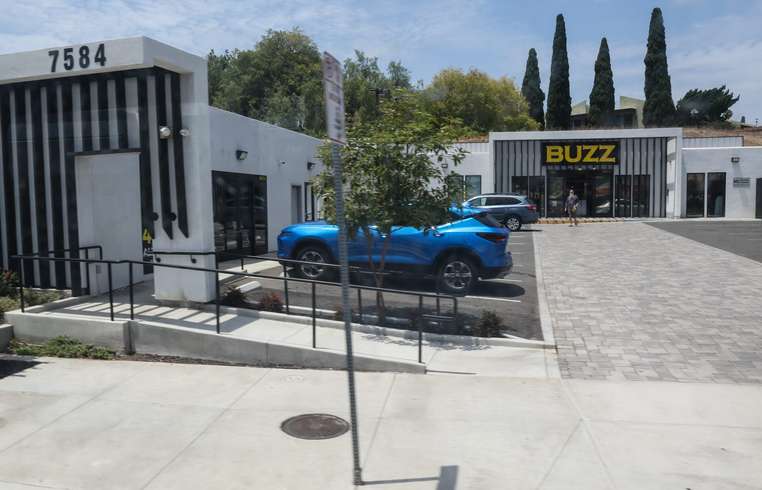
La Mesa, a city celebrated for its low cannabis taxes, has decided to increase the levy from 4% to 5% in a move poised to align the city’s tax structure with neighboring jurisdictions like Lemon Grove and Oceanside. This strategic decision, spearheaded by Vice Mayor Lauren Cazares and supported by the city council, underscores the need for fiscal stability as sales tax revenues lag behind the steady demand for city services. Cazares emphasized the importance of this financial strategy, noting that the sales tax revenues have not met projections while the cost of essential services continues to rise. By increasing the cannabis tax, the city expects an influx of over $750,000, adding to the current revenue of $2.5 million from cannabis taxes. This approach was highlighted as a means to bolster the city's budget without directly impacting local residents through higher general sales or property taxes. La Mesa attracts a diverse customer base from surrounding areas, benefiting from its reputation as a cannabis destination due to its previously lower tax rate. As council members like Mayor Mark Arapostathis, who played a pivotal role in legalizing cannabis sales in the city, have pointed out, the increase is a small step in maintaining the city's competitive edge, given that their tax will still be considerably lower than in San Diego and other neighboring areas. However, the dynamics of cannabis taxation are complex. The California Department of Cannabis Control reports that only a fraction of the cannabis consumed statewide is purchased legally, indicating potential pitfalls of steep taxes driving consumers toward illegal markets. Past examples, such as San Diego's tax increase that led to a downturn in tax revenue, highlight these risks. Despite these uncertainties, La Mesa believes the tax revenue will continue supporting crucial areas such as emergency services and law enforcement, as emphasized by the sole public commenter, Becky Rapp, during the council discussion. Her call for funds to bolster law enforcement against illegal cannabis sales reflects a significant concern over the competitive pressure on legal dispensaries. The council’s decision directs city staff to draft the necessary ordinance to enforce the new tax, yet no date has been set for its implementation. As the landscape evolves with legal and illegal markets battling for consumer attention, operators like Sean McDermott, owner of The Grove, voice concerns that any tax hike might strain the burgeoning industry. Ultimately, the tax adjustment represents a delicate balancing act—securing municipal revenue while maintaining an appealing market for cannabis consumers under evolving economic and regulatory pressures.
About usyoo

Categories
Tags