News - Powerful earthquake shakes Japan's Kumamoto Prefecture
Business Strategy
Powerful earthquake shakes Japan's Kumamoto Prefecture
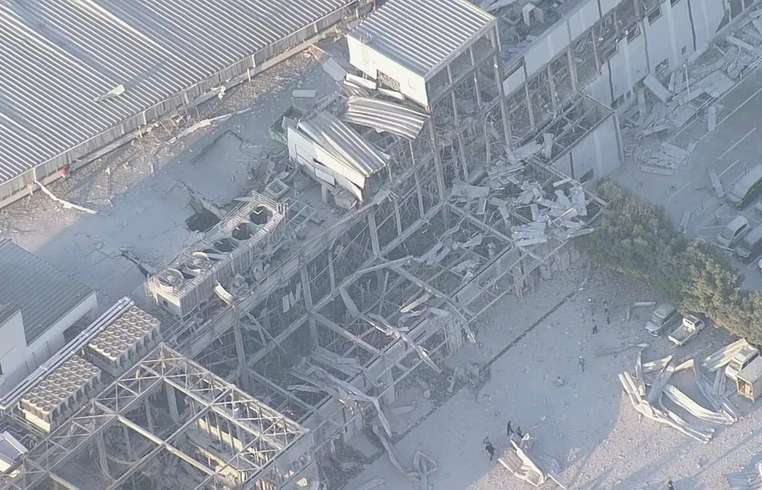
A powerful earthquake struck Japan's Kumamoto Prefecture, triggering widespread panic and chaos as authorities rushed to respond to the crisis. Measuring 7.0 on Japan's seismic scale, the earthquake has resulted in significant structural damage and critical situations across the region. In the industrial city of Yatsushiro, 11 workers remain trapped inside a Nippon Paper Industries facility with only 2 individuals rescued so far, both in critical condition. The factory, vital to the local economy, now stands as a symbol of the devastation wrought by the earthquake. Meanwhile, Aeon Mall Kumamoto, a major commercial center, witnessed the collapse of several structures. Rescue teams have discovered five individuals stuck amidst the debris, suffering from various injuries. Emergency personnel continue their efforts to reach and save those caught in the ruins of local businesses and homes. The earthquake, which struck on July 28, sparked numerous fires, causing further distress and complicating rescue operations. Buildings have crumbled, infrastructure has been damaged, and a state of emergency declared as authorities warn the public of potential aftershocks and landslides stemming from the seismic activity. Rescue workers face challenging conditions as they tirelessly conduct search and rescue operations. The government's disaster response teams have mobilized rapidly, with emergency services stretched to their limits amid the widespread chaos. The humanitarian aspect of the disaster is unfolding under intense pressure, as displaced families seek refuge and essential services struggle to maintain operations. In addition to immediate rescue efforts, there is a growing concern about the long-term recovery of Kumamoto Prefecture. Structural engineers and emergency planners are already assessing the damage, predicting a substantial rebuilding effort will be required. The Kumamoto earthquake has not only tested Japan's resilience in facing natural disasters but also highlighted the critical need for disaster preparedness and effective crisis management strategies. The rebuilding process promises to be extensive and complex, with regional leaders promising swift action and the support necessary to aid recovery efforts across affected areas.
About usyoo

Categories
Tags