News - U.S. Reaches Critical Wildfire Preparedness Level 5 Amidst Heat and Dry Conditions
Business Strategy
U.S. Reaches Critical Wildfire Preparedness Level 5 Amidst Heat and Dry Conditions
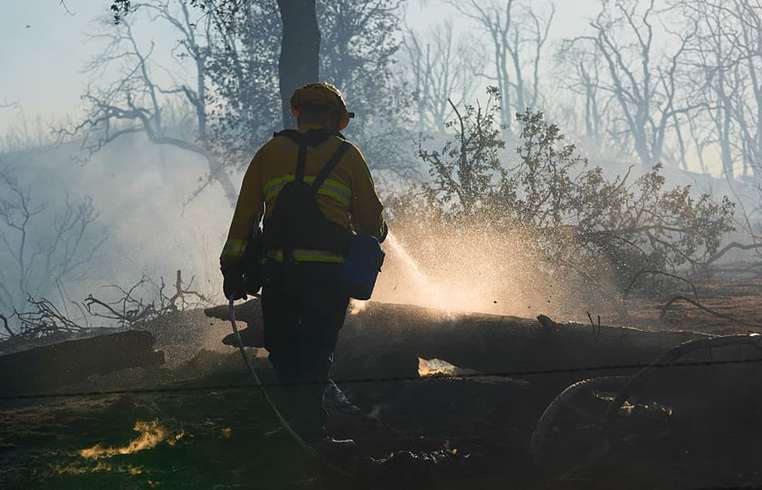
As the United States enters the peak of wildfire season, marked by the scorching summer months, the nation has reached level 5 preparedness. This level, often attained by July, is a reflection of the intense fire weather conditions prevalent in several regions. Comparable declarations were made in past years, notably in 2018, 2021, and 2024. While residents outside high-risk zones might feel removed from immediate fire threat, the reality is that wildfire smoke can drift over vast distances, deteriorating air quality for communities miles away from the original fire location. The extremely arid and warm conditions sweeping across the country have led to this heightened alert. The previous winter ranked as the second-warmest in U.S. history, with notable states like Nebraska, Oklahoma, and Texas facing some of their driest winters, as recorded by the National Oceanic and Atmospheric Administration (NOAA).
About usyoo

Categories
Tags