News - Oil prices have plummeted in the midst of tensions between the U.S. and Iran: Impact on investors
Business Strategy
Oil prices have plummeted in the midst of tensions between the U.S. and Iran: Impact on investors
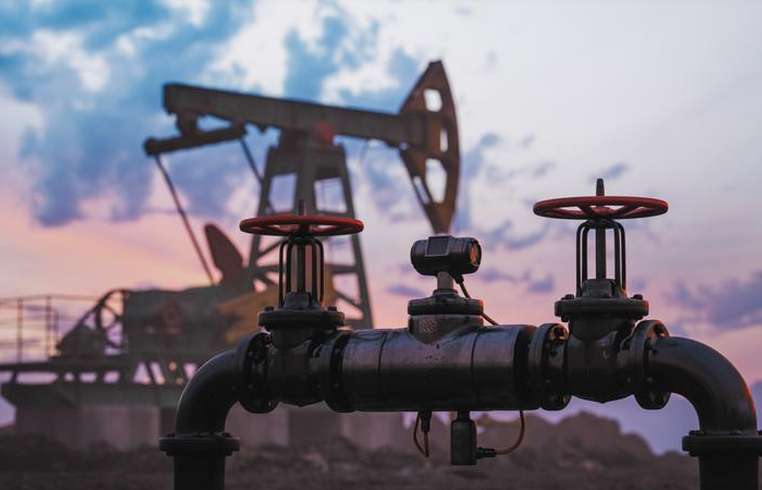
The recent decline in oil prices followed a brief pause in hostilities between the U.S. and Iran last Friday, sparking hopes among investors that the countries might revisit ceasefire talks. Despite a lack of concrete progress towards this outcome, U.S. Ambassador to the United Nations, Mike Waltz, noted that President Donald Trump is allowing room for diplomacy. By 12:57 p.m. on July 27, WTI crude oil prices had plummeted over 7%, marking the steepest one-day decline in two months, with current trades around $82.89 per barrel. For energy investors, this signals continued market volatility. At the time of this report, the State Street Energy Select Sector SPDR ETF (XLE) dropped by over 1.5%. Lower oil prices correlate with reduced profits for oil firms, causing understandable market fluctuations. The instability surrounding U.S.-Iran negotiations is expected to endure. Despite a memorandum of understanding signed in June, no significant advances toward lasting peace have occurred. Iranian Foreign Ministry spokesperson, Esmail Baghaei, confirmed the absence of ongoing U.S. negotiations. Furthermore, the conflict appears to be widening, shifting attention beyond the Strait of Hormuz to potentially involve the Red Sea. Attacks by the Iranian-backed Houthi group on Saudi oil tankers intensify concerns about the global oil market. ANZ analysts caution that the oil market hasn't fully accounted for possible prolonged blockades but could face further tightening if Houthi attacks intensify. Investors should remain partially invested in oil. Former and current U.S. administrations have incentives to deescalate, particularly as midterm elections loom. Higher oil prices could exacerbate inflation worries for the Federal Reserve, impacting interest rate decisions that may be politically undesirable. Critically low U.S. oil reserves and potential supply chain adaptations in response to prolonged conflict complicate the outlook. Even a swift resolution would not instantaneously normalize global oil supply Due to these dynamics, maintaining exposure to domestic energy assets is recommended for investors as a hedge against ongoing geopolitical instability. The finite nature of oil resources could attract increased demand alongside expanding global energy consumption, necessitating a prudent approach to market exposure.
About usyoo

Categories
Tags