News - SSI payments are arriving early this week due to concerns regarding Social Security.
Business Strategy
SSI payments are arriving early this week due to concerns regarding Social Security.
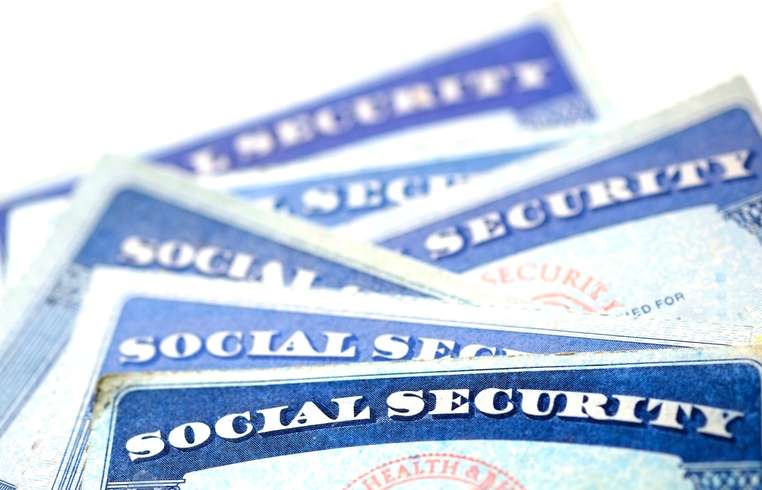
Millions of Americans relying on Supplemental Security Income (SSI) will receive their payments earlier than usual this week, with distribution set for Friday, July 31, instead of the usual first-of-the-month date. This change, implemented by the Social Security Administration (SSA), occurs when the first of the month is on a weekend or federal holiday to ensure that beneficiaries are not financially disadvantaged. SSI, a crucial federal assistance program, supports nearly 7.3 million Americans with limited income or resources by providing monthly benefits to the elderly, blind, and those with disabilities, without requiring a work history or payroll tax contributions. Payments vary based on individual living conditions and income, with the maximum benefit for a single person capped at $994 in 2026. As Social Security faces projected funding shortfalls, mainly due to depleting reserves leading to expenditures surpassing income, new analysis warns of significant benefit cuts by 2033 if Congress does not enact necessary reforms. The Committee for a Responsible Federal Budget notes that a reduction of up to 22% in benefits could commence if the retirement trust fund is depleted, significantly affecting retirees. Potential solutions under consideration include modifying the earnings cap on payroll taxes, raising the retirement age, adjusting the benefits formula, and possibly increasing the payroll tax rate. These proposals aim to develop a balanced reform plan that safeguards lower-income beneficiaries while possibly requiring higher earners to take on more financial responsibility. Congressional action is crucial, with ongoing debates about the best approach to secure Social Security's future.
About usyoo

Categories
Tags