News - Economic Jitters: U.S. Blockade and Tariff Plans Shake Markets
Business Strategy
Economic Jitters: U.S. Blockade and Tariff Plans Shake Markets
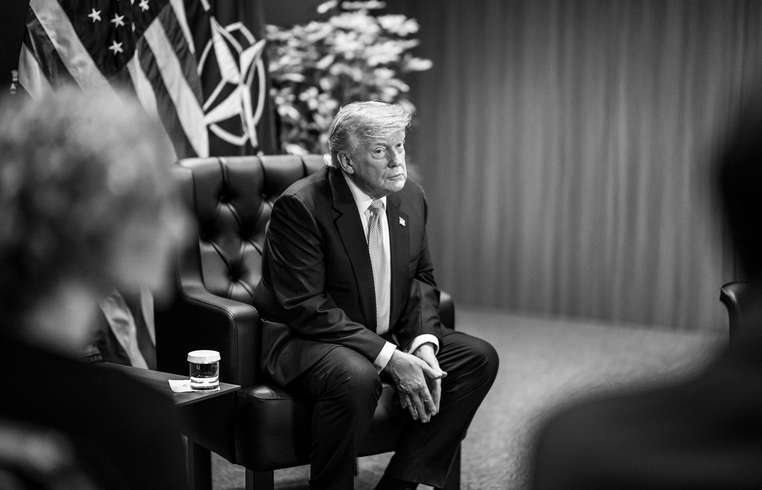
Renewed tensions around the Strait of Hormuz have reignited economic anxiety in global markets. With President Donald Trump announcing a resumption of the U.S. blockade on Iranian vessels, the S&P 500 experienced a notable drop of 0.8% in just one trading day in mid-July. These developments follow a pattern of volatility in recent months as the Iran conflict further complicates geopolitical landscapes. The CBOE Volatility Index, a key measure of market risk, suggests increased uncertainty as it rose to 18.7, up from a previous average of 17.91, reflecting heightened fears reminiscent of early-year turmoil. Trump's declarations extend beyond military maneuvers, encompassing significant economic measures. Recent plans for tariffs include a contentious 50% duty on Canadian imports, amidst temporary measures affecting over 60 trade partners. These strategies have added layers of complexity, contributing to market unpredictability. However, investors with a long-term perspective may find these fluctuations present unique purchasing opportunities. Historical market data underscores resilience; those who invested in the S&P 500 prior to the economic crisis of 2007 see returns that considerably outpace short-term market jitters. While forecasting remains fraught under current international dynamics, a strategy focused on patient equity holding continues to reward investors. For those seeking safety, short-term fixed income exchange-traded funds provide an alternative during sharp market shifts. In conclusion, while today's environment poses challenges, the history of market cycles suggests that remaining calm through the storm can lead to substantial gains in the future.
About usyoo

Categories
Tags