
News - USPS Faces New Stamp Price Increase Amid Financial Struggles
Business Strategy
USPS Faces New Stamp Price Increase Amid Financial Struggles
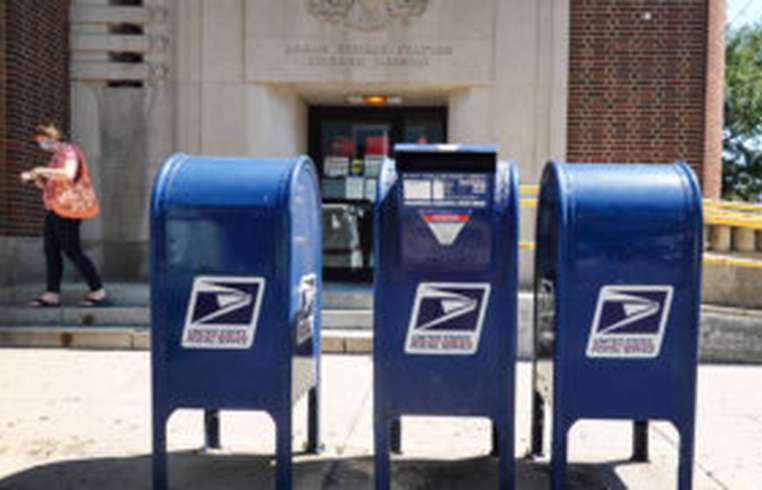
The U.S. Postal Service (USPS) is set to implement a significant price jump on its First-Class Mail Forever stamps, increasing from 78 to 82 cents beginning July 12. This move was proposed by USPS back in April and has now gained necessary approval from the Postal Regulatory Commission. Alongside the Forever stamps, metered letters weighing less than one ounce will see their prices rise from 74 to 78 cents, while domestic postcards will now cost 65 cents, marking a four-cent increase. However, the cost for an additional ounce on single-piece letters remains stable at 29 cents. USPS has had a tumultuous financial track record recently, revealing a suggested $9 billion loss in fiscal year 2025 after successive multi-billion dollar deficits in the previous years. The agency operates independently of tax dollar funding for its operational expenses, relying on sales from its postage, products, and services. The financial distress has led to predictions that USPS could face a cash crunch by late 2025 unless revenue-boosting measures, such as increased borrowing limits or future price hikes, are introduced. Luke Grossmann, the USPS Chief Financial Officer, emphasized the critical need for sufficient liquidity to ensure continuous postal operation. During a critical session with the House Subcommittee on Government Operations, Commissioner Robert G. Taub of the Postal Regulatory Commission discussed the financial hurdles USPS currently faces. This includes the shortcomings of the Delivering for America plan and the ongoing reliance on congressional relief measures, such as the COVID-19 $10 billion aid and the $3 billion allocation for electric vehicle integration within the agency. There is ongoing debate regarding USPS's borrowing authority, with Postmaster General proposing a $15 billion increase. Commissioner Taub, however, expressed skepticism about this maneuver as a long-term solution, indicating it may provide temporary relief but does not tackle the structural issues at hand. The financial challenges facing USPS underscore the broader conversation and urgency for structural reforms and sustainable solutions to ensure the agency's resilience and capacity to serve the American public efficiently.
About usyoo

Categories
Tags