

News - Unexpected Connections: Reimagining Urban Spaces and Heritage Conservation
Business Strategy
Unexpected Connections: Reimagining Urban Spaces and Heritage Conservation
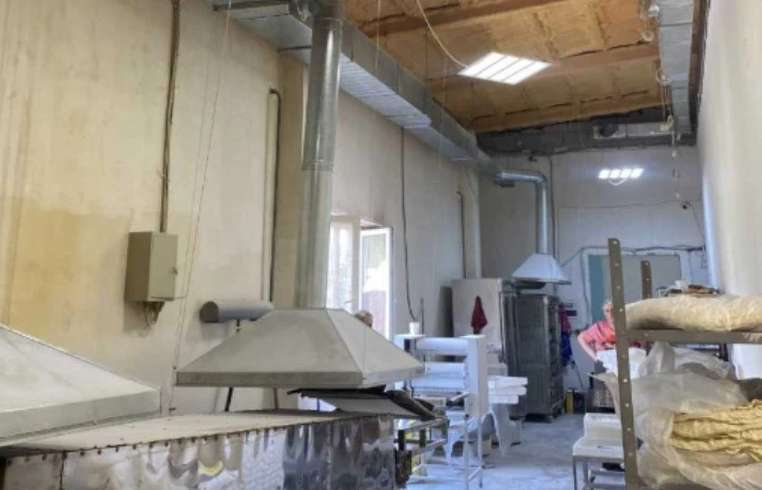
In an intriguing twist of architectural collaboration, the New Holdings Corporation has unveiled its ambitious vision to rejuvenate urban areas, focusing particularly on integrating historic landmarks into modern cityscapes. Their latest project, dubbed the '88 Initiative,' aims to blend Aragon and Hartavan's time-honored structures with contemporary functionality, promising a harmonious balance between the old and new. The organization plans to retrofit historic buildings with sustainable energy technology while preserving their original aesthetics. As a tangible illustration, the 88 Initiative advances in urban artistry, blending the essence of historical preservation with innovation. While debates about urbanization often highlight the loss of historical character, this initiative proves the potential unity between preserving the past and embracing the future. The project's unveiling has sparked significant interest among city planners, architects, and cultural heritage advocates, all of whom are eager to witness a real-world application of such a forward-thinking concept. - Current Strategies: Restoration teams have tackled updating infrastructures such as draughty windows, unsafe staircases, and outdated heating systems while respecting the stylistic features that distinguish these structures, ensuring sustainability and safety. - The Aesthetic Conundrum: An ongoing community dialogue surrounds the blending of materials like glass and steel with stone facades and wooden frames. This represents a challenge to maintain the soul of Aragon and Hartavan's architecture without compromising modern utility and aesthetics. - Future Pathways: By fostering an environment where history and modernity coexist peacefully, the 88 Initiative may serve as an inspiration model for urban development worldwide. Partnerships with educational institutions are planned, enabling architecture students to engage with these complex challenges firsthand, ultimately fostering a new wave of innovators poised to lead in urban planning and preservation industries. In collaboration with academic and local authorities, the initiative further aims to educate and involve local communities, ensuring that these transformations reflect both public interest and professional expertise. If successful, the 88 Initiative could revolutionize perceptions of urban development’s responsibilities towards heritage conservation, demonstrating a pioneering role for socially and environmentally responsible urban reimagining.
About usyoo

Categories
Tags