News - UK Suffers $1.5 Billion Loss Amid Record Heatwave, Reports Bloomberg
Business Strategy
UK Suffers $1.5 Billion Loss Amid Record Heatwave, Reports Bloomberg
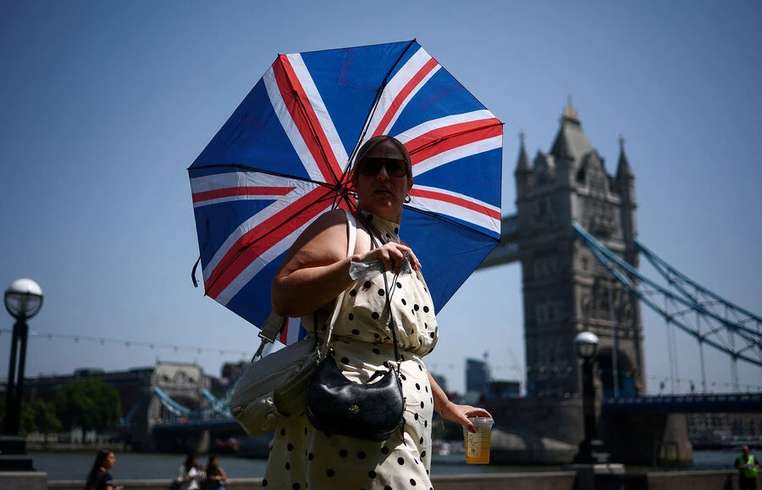
Europe witnessed an unprecedented climate event in June 2026, with temperatures reaching record highs and causing significant economic repercussions. According to Bloomberg, the UK bore a substantial brunt, incurring over $1.5 billion in economic damages. This heatwave not only strained the economy but also resulted in the unfortunate death of around 2,700 individuals across England and Wales due to extreme heat-related conditions. Forecasts suggest that Europe's climate challenges are far from over, with expectations of enduring heatwaves well into 2026. Researchers attribute this to factors exacerbating the greenhouse gas effects, leading to faster soil moisture depletion. Consequently, the probability of droughts has soared by up to 80 times, posing significant risks to both agriculture and energy production sectors. In light of these conditions, the productivity of Europe's labor force has been notably impacted. The UK reported an average reduction of 30 minutes in daily working hours, a testament to the oppressive heat's effect on work efficiency. Furthermore, analysts are concerned about continued adverse impacts on the economic stability and infrastructure resilience throughout the continent. Action and adaptation strategies are crucial, as highlighted by findings from the World Weather Attribution. The organization stresses the potential for increasing severity in weather patterns without significant policy shifts and enhanced sustainability efforts. Governments, industries, and communities are urged to innovate and collaborate on measures that will better shield economic and public health systems from similar future events. Looking ahead, the urgency for advanced planning and mitigation strategies is underscored by the harsh realities facing the European continent. With predictions of persistent volatile weather, the focus remains on building a durable response system capable of dampening the adverse effects of climate variability.
About usyoo

Categories
Tags