
News - New York Times Subpoenas Withdrawn Amid Free Press Concerns
Business Strategy
New York Times Subpoenas Withdrawn Amid Free Press Concerns
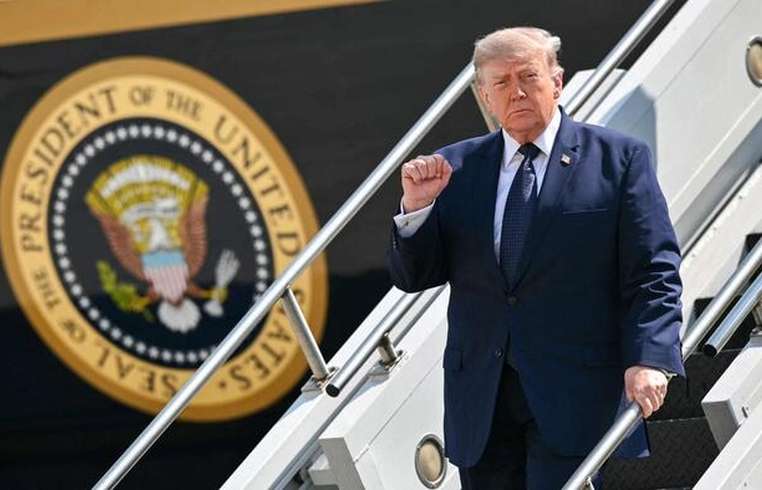
In a dramatic development, the Justice Department has retracted subpoenas directed at The New York Times journalists following a strong pushback over First Amendment rights violations. This decision unfolded during a federal hearing on July 23, where U.S. District Judge Arun Subramanian articulated a stern warning to government attorneys about their overreach. The subpoenas were initially issued concerning a report by The Times on the Air Force One aircraft's security shortcomings, supposedly provided by the Qatari government. Judge Subramanian underscored the importance of exhausting all other means to gather information before targeting journalists, emphasizing the pivotal role media plays as a pillar of democracy. He criticized the Justice Department's approach, implying it threatened free press rights by reversing the intent of the law designed to protect such freedoms. A Justice Department spokesperson later claimed that their actions were in the national security interest, indicating an ongoing investigation, yet admitting the retraction after potential sanctions loomed over the attorneys involved. The New York Times, in a robust defense, accused the government of intimidating its journalists to stifle the dissemination of crucial national information. Their legal representative, David McCraw, condemned the subpoenas as veiled attempts to disrupt press activities. This sentiment was echoed by the broader journalism community, seeing it as an infringement on their constitutional rights. Despite the formal withdrawal of the subpoenas, the incident highlighted tensions between the government and the press over national security matters and freedom of expression. The Justice Department continues its investigation, purportedly focusing on the source of the leaks rather than the journalists themselves. Meanwhile, questions about the integrity of protocol in handling sensitive information persist, especially after it came to light that subpoenaed data included records dating back years before the specific events under inquiry. The unfolding developments signal a potential era of rigorous debate between journalists determined to uphold their rights and government bodies tasked with national security objectives. The resolution of this matter may set a precedent impacting future interactions between media entities and the legal system.
About usyoo

Categories
Tags