News - Tick Bites and the Rise of Meat Allergies: Understanding Alpha-Gal Syndrome
Business Strategy
Tick Bites and the Rise of Meat Allergies: Understanding Alpha-Gal Syndrome
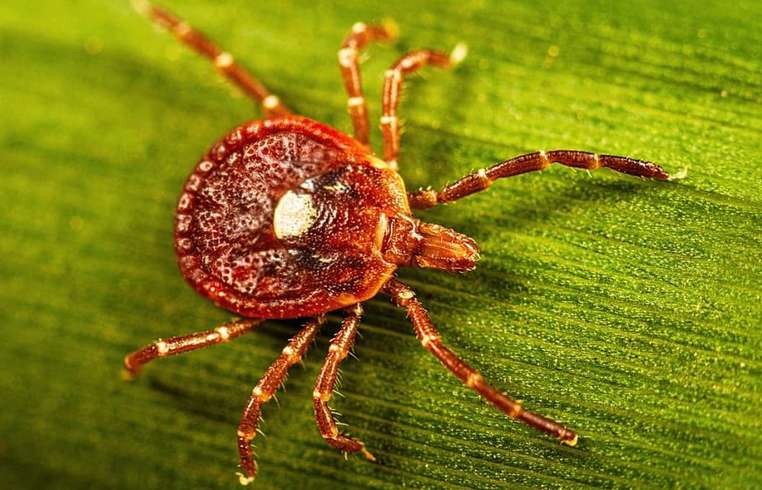
Alpha-gal syndrome, an unusual allergy triggered by a sugar molecule called alpha-gal, is an emerging health concern linked to tick bites. While consuming red meat generally does not induce alpha-gal syndrome because the body digests most of the alpha-gal in the gastrointestinal tract, tick bites inject alpha-gal directly into the bloodstream, prompting an immune reaction. This response occurs because immune cells patrol the blood and recognize foreign substances, unlike in the stomach and intestines where digestion alters and absorbs the sugar differently. Despite its peculiar pathogenesis, not everyone bitten by a tick will develop alpha-gal syndrome. The propensity to develop this syndrome is highly individualistic, hinging on the intricacies of one's immune system. Some people's immune responses may be more sensitized to compounds found in tick saliva, which include numerous agents capable of modifying the body's immune functions. Particularly, the presence of immunoglobulin E (IgE) plays a notable role. Individuals with elevated IgE levels may experience heightened immune activity, increasing their likelihood of reacting to alpha-gal. Understanding the interaction between tick bites, immune sensitivity, and syndromic development is imperative. It underscores the significance of personalized medicine in the context of allergy and immune response management, offering new avenues for tailored approaches in prevention and treatment of alpha-gal syndrome.
About usyoo

Categories
Tags