
News - China and the U.S. move to lift $30 billion in tariffs.
Business Strategy
China and the U.S. move to lift $30 billion in tariffs.
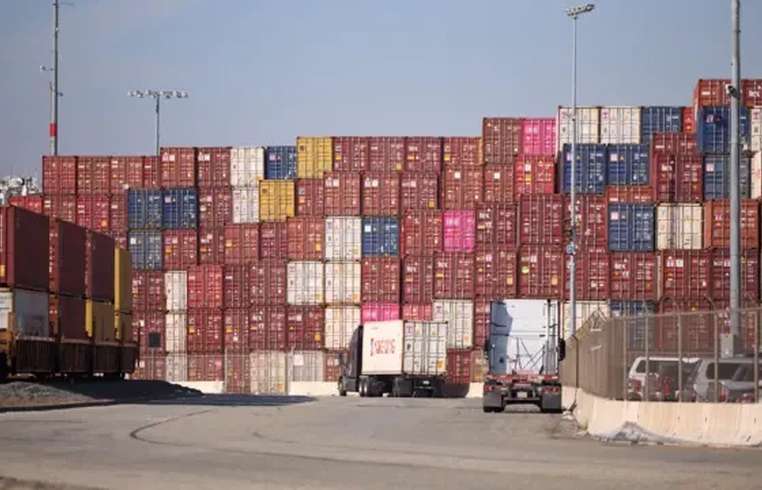
Amid ongoing trade tensions, China and the United States are reportedly negotiating the removal of mutual tariffs on goods valued at approximately $30 billion. This development marks a significant step towards easing the economic friction between the world's two largest economies. According to Meng Huatin, head of China's Ministry of Commerce's Foreign Investment Management Department, both nations are focusing on fostering strategic stability in light of recent diplomatic exchanges. The move comes as a continued effort to address the economic impacts of previous U.S. tariffs, which were characterized as protectionist measures. Since President Trump's administration imposed these tariffs, it has been an ongoing point of contention affecting global trade dynamics. Sources indicate that trade delegations from both countries are actively engaging in consultations to navigate these complex issues and find a viable pathway to reduce trade barriers. The negotiations aim to create a more stable trading environment and bring substantial relief to the international market by restoring balance and cooperation. According to officials familiar with the talks, the focus remains on addressing concerns over economic impacts on various sectors, particularly in manufacturing, technology, and agriculture. In anticipation of reaching a comprehensive agreement, observers are optimistic that this latest round of negotiations could lead to a breakthrough in U.S.-China trade relations, potentially setting a precedent for addressing other unresolved trade issues. Trade analysts suggest that lifting these tariffs would not only benefit both economies but also contribute to global economic stability by encouraging free trade practices and competitive markets. The dynamics of these discussions are seen as critical to advancing future bilateral and multilateral trade policies. This latest initiative underscores a commitment from both Beijing and Washington to engage in meaningful dialogue and policy adjustments. As both sides deliberate, there is a shared understanding of the importance of maintaining open lines of communication and the political will to overcome trade hurdles in pursuit of mutual economic growth.
About usyoo

Categories
Tags