News - New York City is combating an outbreak of Legionnaires' disease while increasing inspections.
Business Strategy
New York City is combating an outbreak of Legionnaires' disease while increasing inspections.
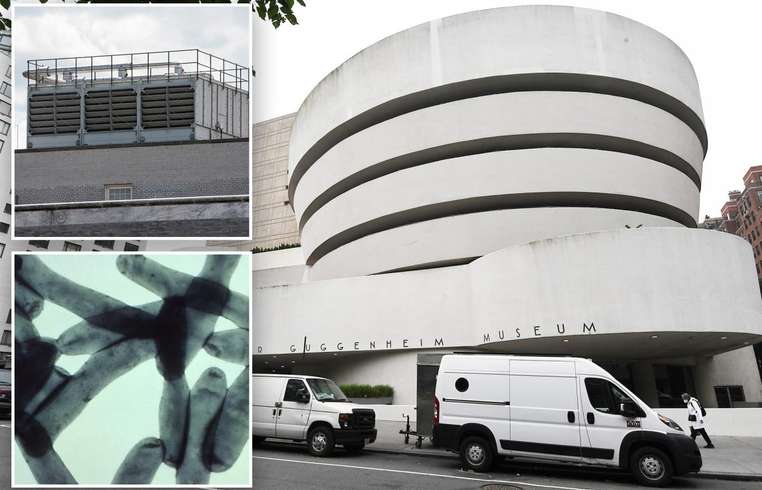
In an unsettling turn of events, New York City faces a Legionnaires’ disease outbreak claiming its fifth victim, with more than six dozen individuals affected over the past month. Health officials scramble to contain the spread, confirming Legionella bacteria in 34 cooling towers across 33 buildings, all currently undergoing rigorous cleaning and disinfection processes. Despite the augmentation of inspection protocols and staff following previous outbreaks, identifying the source of the current contamination has proven elusive. With eight victims still in the hospital and 56 others having been treated and discharged, the city navigates complex challenges in public health and safety. City authorities accelerated inspection endeavors, completing nearly 1,600 cooling tower checks in just half this year, demonstrating an increase of 35% compared to the same period two years ago. These heightened efforts follow an outbreak last year in Harlem that caused significant casualties, pushing the city to reinforce its public health strategy and compliance measures, including the hiring of 23 additional Legionella-focused inspectors. High-profile locations like the Guggenheim Museum have fallen under scrutiny, despite assurances of routine checks and treatments by specialized firms. Resident and legal advocates express frustration over recurring incidents, attributing them to systemic failures despite stringent regulations put in place. Jory Lange, legal representative of multiple affected individuals, echoes public sentiment by urging for more robust preventive measures. The Health Department's responsive interventions are credited with potentially averting further casualties, actioning immediate investigation and site-specific disinfecting upon identifying initial cases. Despite these efforts, officials lament the persisting risks posed by the deadly pathogen, while pledging to refine policy frameworks and operational methods in pursuit of heightened safety and outbreak prevention. As the city endeavors to resolve recruitment gaps within the health inspection workforce, efforts remain highly concentrated on tracing this outbreak's exact origin to thwart future occurrences, guided by ongoing epidemiological insights and data analyses.
About usyoo

Categories
Tags