
News - Trump Begins Strategy to Bring Back Generic Drug Production to the U.S.
Business Strategy
Trump Begins Strategy to Bring Back Generic Drug Production to the U.S.
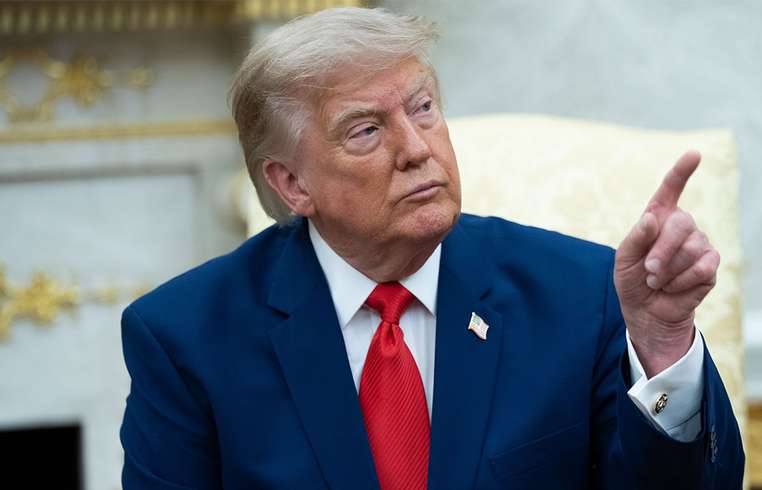
In a landmark move, former President Donald Trump has laid out a comprehensive plan intended to reshape the generic pharmaceutical landscape in the United States. Announced with much anticipation on his Truth Social platform, the policy will allow imported generic drugs to enjoy a tariff-free status until August 1, 2028, after which a significant tariff increase will be implemented in a phased approach. The plan allows the industry a two-year adjustment period before facing a steep 100% tariff, which will further escalate to 200% in the third year. Trump detailed that this structured escalation is designed to incentivize pharmaceutical companies to shift their manufacturing operations to the U.S., thereby boosting domestic production capabilities and reducing dependency on international supply chains for vital medications. The move addresses growing concerns about the reliance on foreign sources for pharmaceutical ingredients and medications deemed crucial for national health security and economic independence. The Trump administration has long argued for the strategic importance of creating a resilient domestic pharmaceutical infrastructure. By introducing these tariffs, former President Trump aims to leverage manufacturing shifts, urging companies to construct manufacturing plants within American borders, or face punitive economic measures. While the Trump-era policies for branded and innovative drug sectors remain unaffected, the new scheme could potentially trigger expansive investment in American manufacturing facilities by generic drug producers. This aligns with Trump's assertions of observing unprecedented levels of investment activity in manufacturing facilities across the United States, which he credits to the strategic foresight and ambitious economic policies of his administration. Response from the industry remains cautiously optimistic with associations like the Association for Accessible Medicines expressing interest in more detailed nuances of the proposal while supporting any policy initiatives that enhance the stability and growth of domestic manufacturing. Their concerns remain anchored on existing structural challenges such as purchasing practices and reimbursement frameworks that could either support or stifle further growth. As generic drugs constitute over 90% of all filled prescriptions in the United States according to FDA data, the implications of this tariff policy are vast. It presents a dual challenge and opportunity for generic drug manufacturers to pivot towards bolstering domestic facilities, aligning with government goals for supply chain resilience. The conversation between industry stakeholders and policymakers is expected to deepen as the market adapts to the incoming changes, ensuring that affordable and accessible medicine remains a top priority for all involved.
About usyoo

Categories
Tags