
News - Gas prices soar amid U.S.-Iran tensions.
Business Strategy
Gas prices soar amid U.S.-Iran tensions.
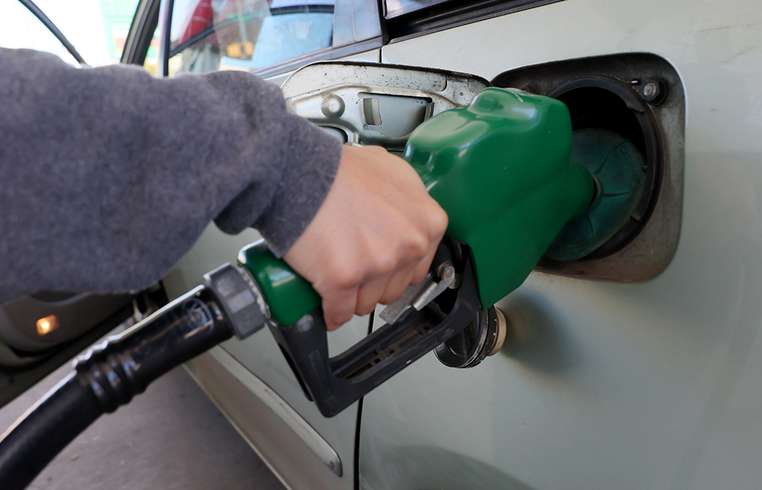
The national average for regular gasoline across the United States has exceeded $4 per gallon, reflecting the ongoing geopolitical tensions between the U.S. and Iran. As of July 21, the average price stands at $4.019, marking a notable increase from previous averages over the past month and year. This surge coincides with increased military activities, with U.S. forces conducting strikes against Iranian targets. In a recent social media post, President Donald Trump insisted on holding Iran accountable for its aggressive actions towards American soldiers, indicating stricter military reprisals. This development has sparked divergent viewpoints among political figures. Former Representative Marjorie Taylor Greene openly criticized the current administration, suggesting that the conflict is avoidable and reminiscing about lower gas prices during Trump's first term. She urged the termination of hostilities in favor of returning to previous economic conditions, where fuel was below $2 and inflation was minimal. Meanwhile, criticism also emerged from Democratic circles. House Minority Leader Hakeem Jeffries attributed the uptick in gas prices to the Republican-led military actions, questioning the prolonged role of military leadership, including the likes of Pete Hegseth. U.S. Central Command (CENTCOM) reported a series of strategic strikes aimed at neutralizing Iranian military capabilities, particularly those that threaten maritime operations in the Strait of Hormuz. CENTCOM's efforts have ensured the passage of hundreds of commercial vessels and massive quantities of crude oil through this critical maritime corridor, seeking to stabilize the flow of crucial resources while maintaining international trade security. Amidst this complex situation, the socio-political landscape reflects the broader implications of military engagements and economic policies, with the public feeling the immediate impacts through increased costs at the gas pump.
About usyoo

Categories
Tags