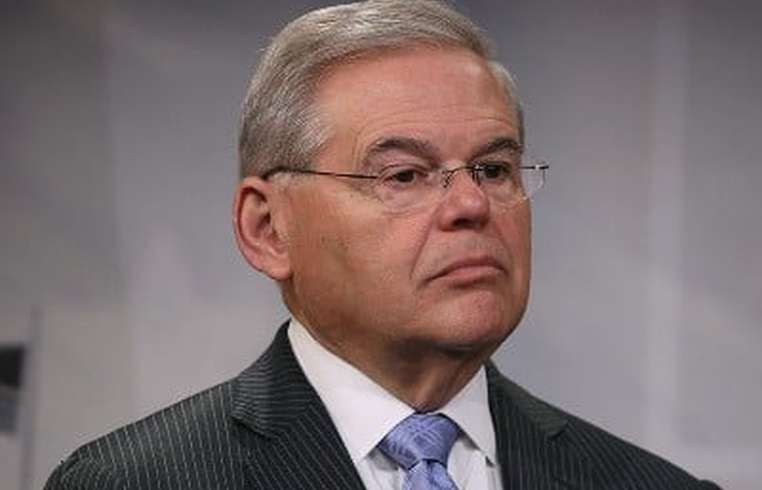

News - The new chair of the Federal Reserve emphasizes the commitment to tackling inflation.
Business Strategy
The new chair of the Federal Reserve emphasizes the commitment to tackling inflation.
Kevin Warsh, assuming his role as the Federal Reserve Chairman, delivered his first testimony to Congress, which garnered considerable attention from stock market investors eager to discern his future policy directions. His testimony is crucial as it clarifies upcoming interest rates and economic policy adjustments at a time when Warsh champions reduced public communications by central bankers. During his congressional address, Warsh highlighted the Federal Reserve's unwavering goal of achieving a 2% inflation rate amidst the existing economic circumstances. This position aligns with the Federal Reserve's statement from June 17, issued soon after Warsh took office as chair. At that point, the Fed maintained the target federal funds rate between 3.5% and 3.75%, a choice meant to counteract inflation that still exceeds desired levels, while confirming its commitment to price stability. Among Federal Reserve officials, there are mixed projections about interest rates, with eight out of 18 bank presidents and board governors predicting a stable interest rate environment for the year, whereas nine anticipate possible increases. With the Federal Open Market Committee (FOMC) meeting set to conclude on July 29th, CME FedWatch shows an 86% chance that the central bank will keep short-term rates unchanged. Addressing Inflation Challenges The Fed's objective of managing inflation is fraught with challenges. Geopolitical tensions, particularly in Iran, have spurred renewed military actions, leading to increased oil and gas prices. As a result, consumers are facing higher costs at fuel stations, with average gas prices reaching roughly $4 per gallon as of July 20, according to AAA. Investment Strategies for an Inflationary Landscape Given the probabilities of interest rates either remaining steady or potentially rising, investors have several strategic options. Significantly, exchange-traded funds (ETFs) represent a thoughtful vehicle to capitalize on the current high short-term interest rates. The State Street SPDR Bloomberg 1-3 Month T-Bill ETF (BIL +0.01%) is one such choice. It is structured to invest in U.S. Treasury securities with short maturities of one to three months, providing investors reassurance through support from the U.S. government. Currently, the ETF yields a satisfactory 3.5%, with the potential for increased returns if interest rates rise, given its focus on short-term Treasury investments. For investors willing to accept slightly greater risk for higher returns, the JPMorgan Ultra-Short Income ETF (JPST 0.02%) presents an appealing opportunity. This fund invests in high-quality short-term bonds that feature both fixed and floating interest rates. The floating-rate element, in particular, stands to benefit from higher interest rate conditions. As of the end of June, the ETF delivered a yield of 4.1%.
About usyoo

Categories
Tags