News - Rebuilding America's Critical Mineral Infrastructure
Business Strategy
Rebuilding America's Critical Mineral Infrastructure
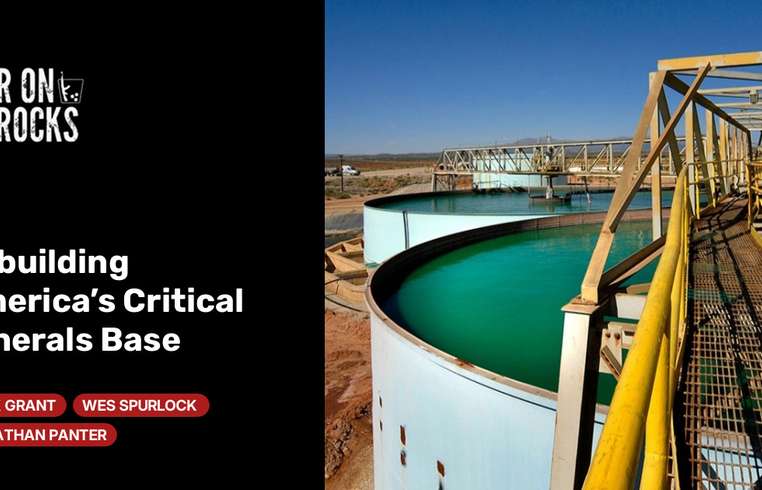
As the demand for sustainable development and technological innovation increases, the spotlight turns to America’s diminished critical minerals base. Historically, the United States possessed a robust array of mineral resources, crucial for national security and technological advancement. Yet, over the decades, this foundation has eroded, prompting urgent calls for revitalization. In a detailed discussion, industry experts Alex Grant of Magrathea Metals and Wes Spurlock of Principal Mineral shed light on the necessary steps and challenges involved in reinvigorating this sector. A pivotal aspect in rebuilding the critical minerals base is refining the processing technology to suit contemporary demands. Modernization requires an integration of cutting-edge techniques that ensure efficiency and sustainability. Alex Grant emphasizes on innovation in extraction and refining processes, underscoring the importance of reducing environmental footprints while increasing output. Advances in automation and digital technology can redefine how minerals are sourced and processed, aligning with global standards for environmental responsibility. Beyond technology, a skilled labor force is indispensable. The industry faces a shortage of experts with knowledge in advanced engineering and geology. Wes Spurlock highlights the critical role of educational institutions in bridging this gap through specialized programs and training initiatives. Partnerships between academia and industry can cultivate a new generation of skilled professionals equipped to navigate the complexities of modern mineral processing. Another key dimension is the role of government in stimulating growth. Rather than replacing private enterprises, government initiatives should aim to create an enabling environment for investment. Grant and Spurlock advocate for strategic policy measures that provide financial incentives and mitigate risks, thereby encouraging private entities to invest in infrastructure and research. Public-private collaborations can unlock significant potential for innovation and expansion. In conclusion, revitalizing America’s critical minerals infrastructure requires a multifaceted approach. It demands modernization in technology, investment in human capital, and supportive government policies to foster a competitive and sustainable industry. As the world continues to rely on advanced technologies and clean energy, reestablishing a strong mineral base is not just beneficial but essential for future economic and national security.
About usyoo

Categories
Tags