News - Tensions are escalating between the U.S. and Iran, and the effects are being felt in Kuwait.
Business Strategy
Tensions are escalating between the U.S. and Iran, and the effects are being felt in Kuwait.
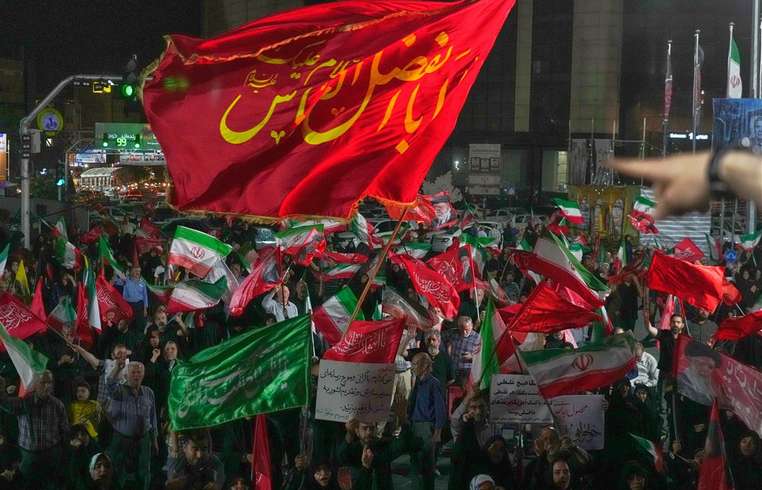
The geopolitical climate in the Middle East intensified as the U.S. and Iran exchanged military strikes near the strategic Strait of Hormuz. This escalation has far-reaching consequences, affecting the infrastructure and daily lives of people in the region. In Kuwait, infrastructural damage has been reported, leading to disruptions in essential services and raising concerns among the population. The recent exchange of strikes underscores the fragile peace in the region, with both nations emphasizing their military readiness. The Strait of Hormuz remains a critical chokepoint for global oil transport, and any conflict in the vicinity can impact global energy markets significantly. Kuwait, geographically proximate to the epicenter of these tensions, faces unintended repercussions, disrupting its transport and energy sectors. Residents of Kuwait have voiced concerns over the potential for further escalation, citing the country’s vulnerability due to its strategic location. This atmosphere of uncertainty has necessitated heightened security measures across the nation, impacting day-to-day activities, and fueling anxiety about future developments. Globally, energy markets are responding with caution, as any disturbance in oil supply routes can result in fluctuating prices and economic instability. The international community, while observing the situation closely, is advocating for diplomatic channels to de-escalate the situation, emphasizing dialogue over conflict. In response, regional allies are gauging potential support strategies to mitigate risks, while belligerents are weighing their military options amidst growing international pressure to de-escalate. The situation remains fluid, with the potential for rapid changes, requiring constant vigilance from stakeholders both locally and globally.
About usyoo

Categories
Tags