
News - U.S. Elections: What Declassified Intelligence Documents Reveal
Business Strategy
U.S. Elections: What Declassified Intelligence Documents Reveal
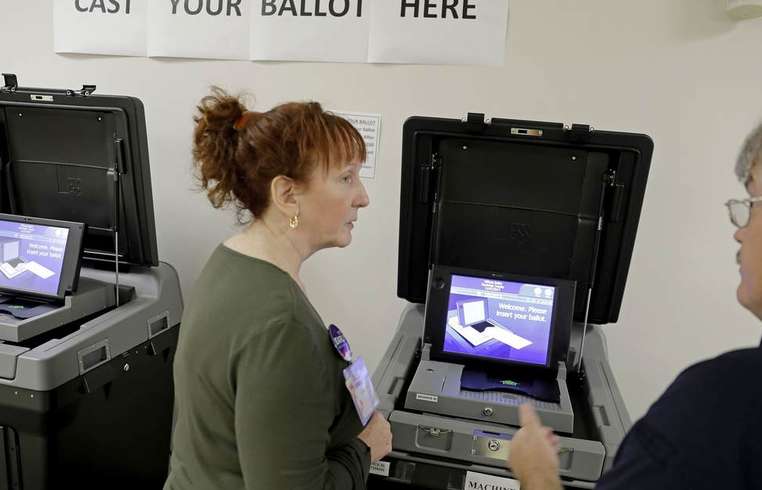
Recently declassified documents, released following President Donald Trump's national address, provide an in-depth perspective on the potential threats of foreign interference in the 2020 U.S. elections. One significant document is a memorandum from the National Intelligence Council, which concludes that manipulating vote tabulation systems on a large scale would be difficult due to the lack of internet connectivity among voting systems and strong audit trails designed to detect discrepancies. The memorandum, titled 'Vulnerabilities in US 2020 Election Infrastructure,' warns of capabilities held by adversarial nations such as Russia, China, Iran, North Korea, and non-state actors. Despite these capabilities, the memorandum notes there is no conclusive evidence of plans to directly manipulate the election systems. However, the potential for disruption, data theft, and effects on public confidence remains a concern. Particular attention is given to China's intentions. One document suggests that China had devised strategic plans to influence public opinion against President Trump and the broader U.S. administration by exploiting socio-political divisions in the United States. This was in line with China's preference for a different election result, perceiving Trump's actions as unpredictable and confrontational. Another document highlights a Department of Homeland Security report claiming that over 250,000 non-citizens were illegally registered across certain states. While this doesn't confirm actual voting by these individuals, it reflects concerns over states prioritizing non-citizen inclusions, potentially skewing voter rolls disproportionately. The intelligence findings emphasize the complex landscape of electoral infrastructure vulnerabilities and the broader geopolitical implications of foreign efforts to influence American political processes. Editor's Note: Stay informed with our in-depth analyses on U.S. politics and international relations. Consider supporting us with a Townhall VIP membership and enjoy exclusive content.
About usyoo

Categories
Tags