News - Historic Agreement Reached Amid Global Tensions
Business Strategy
Historic Agreement Reached Amid Global Tensions

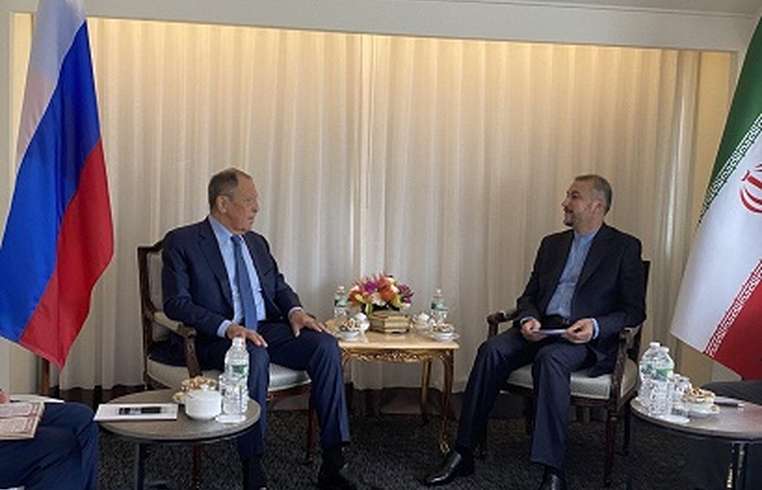
In a monumental development, key nations have reached a groundbreaking agreement to tackle rising global tensions. This effort has been spearheaded by international leaders who have tirelessly worked to bridge gaps in negotiation. The agreement focuses on multiple sectors, including security, economy, and environmental policies, with the aim of fostering international cooperation and stability. This united front against divisive challenges is hailed as a victory of diplomacy and compromise, steering away from earlier confrontational approaches. Experts believe this could mark a substantial shift in global relations, emphasizing constructive dialogue and mutual benefit. Among the most pivotal elements of this accord is the agreement on reducing carbon emissions and investing in sustainable energy solutions, considered crucial steps towards addressing climate change. Economic collaborations are also set to boost trade relations, providing an economic stimulus to recovering markets hit hard by recent economic downturns. Security measures and protocols have been revamped to tackle the complexities of modern-day threats, with a special focus on cyber security and international terrorism. This move aims to create a more resilient global security framework, ensuring greater peace and safety for all countries involved. The international community has largely welcomed the agreement, seeing it as a beacon of hope in uncertain times. Observers noted the significance of dialogue in reaching this breakthrough, suggesting that negotiation and patience are vital in overcoming global issues. As implementation begins, eyes will be on the involved countries to adhere to and fulfill their commitments. The world watches closely, hopeful that this historic pact will lead to a more cooperative and peaceful global environment. If successful, this agreement could indeed pave the way for future collaborations and serve as an important lesson in the art of diplomacy.
About usyoo

Categories
Tags