
News - Wireless Festival's Future: Controversy, Cancellation, and Redemption
Business Strategy
Wireless Festival's Future: Controversy, Cancellation, and Redemption
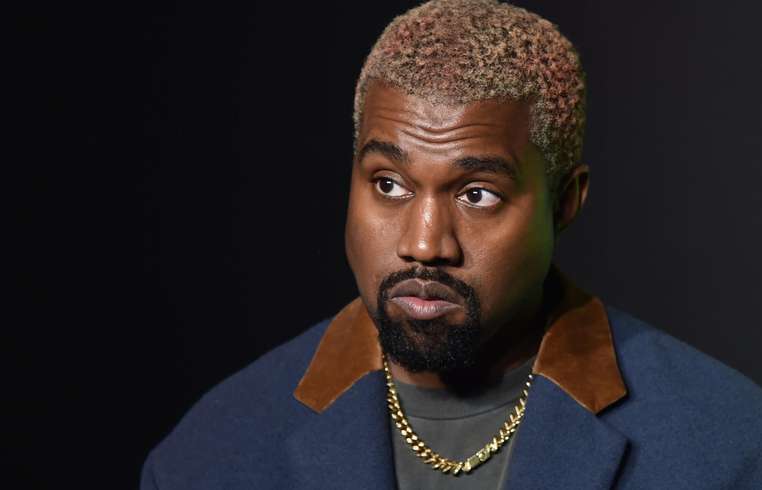
In an unexpected turn, the Wireless Festival has found itself at the center of a heated debate following its decision to feature Ye (formerly known as Kanye West) as the headliner for the 2026 edition. This controversy led to the festival's abrupt cancellation, as discussed by Festival Republic's managing director, Melvin Benn, in a recent interview. The decision to book Ye, announced in March, faced immediate backlash due to the rapper's history of antisemitic remarks, prompting criticism from notable figures such as London mayor Sadiq Khan and various Jewish organizations. Despite an apology issued by Ye earlier in the year, major sponsors like Pepsi, Rockstar Energy, Diageo, and PayPal withdrew their support, contributing to the festival's cancellation. Benn, defending the controversial booking, emphasized the importance of forgiveness and second chances, noting, "Forgiveness and giving people a second chance are becoming a lost virtue in this ever-increasing divisive world." He mentioned that multiple stakeholders were consulted prior to the decision, yet no initial concerns were raised. The situation escalated when the British government denied Ye's entry into the U.K., citing his past comments as inconsistent with the public good—this ultimately forced the cancellation of the festival. Ticket holders were assured refunds, while Benn expressed assurance that the festival would return. Ye, meanwhile, has acknowledged the criticism, stating, "I’ll have to show change through my actions," and released his album 'Bully,' achieving significant success. While the festival may have faltered this year, its reputation rests on its ability to bounce back from this setback. Looking ahead, Festival Republic is committed to returning Wireless to form, but the episode stands as a cautionary tale about the complexities of balancing redemption with public accountability in today’s polarized climate.
About usyoo

Categories
Tags