

News - U.S. Power System Breaks Records Amid Historic Heatwave
Business Strategy
U.S. Power System Breaks Records Amid Historic Heatwave
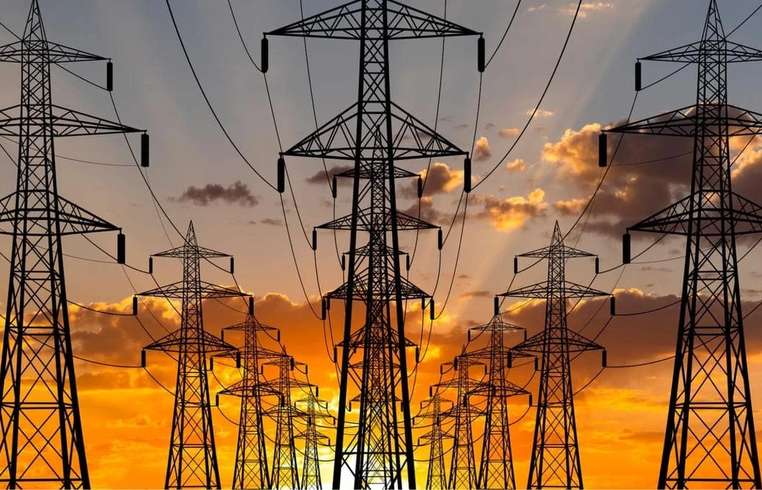
In a remarkable display of resilience, the American power grid has shattered previous records for electricity production, overcoming one of its most strenuous challenges yet. For the first time in history, the United States generated over 100 million megawatt-hours in a single week, driven by an intense and widespread heatwave. Characterized by a meteorological phenomenon known as a 'heat dome', the heatwave enveloped over 200 million people, ramping up air conditioner usage and pushing the electricity demand to unprecedented levels. Energy sources worked overtime as temperatures soared, with some areas recording their hottest days. The overwhelming demand resulted in stretching the capacities of power grids nationwide, while maintaining stability against the surge. This achievement eclipsed the previous record of July 2022 and marked a 22% increase over usual summer electricity production. This success comes amid broader conversations about the ability of energy infrastructures to withstand increasingly frequent and ferocious weather events. Experts suggest that such milestones signify a move towards strengthening the power grid, embracing renewable sources, and improving energy efficiency across the network. This outcome also underscores the critical need for continuous technological advancements and investments in infrastructure to safeguard against future climate-induced stresses. The situation served as a vivid illustration of the global warming phenomena that are becoming more commonplace around the globe, urging policymakers to re-evaluate energy policies and crisis management strategies. The power sector's exemplary handling of this situation could potentially offer valuable lessons for the future, driving a more robust and adaptable energy landscape.
About usyoo

Categories
Tags