

News - Beach Bacteria Alert Amid Blistering Heat in Southern California
Business Strategy
Beach Bacteria Alert Amid Blistering Heat in Southern California
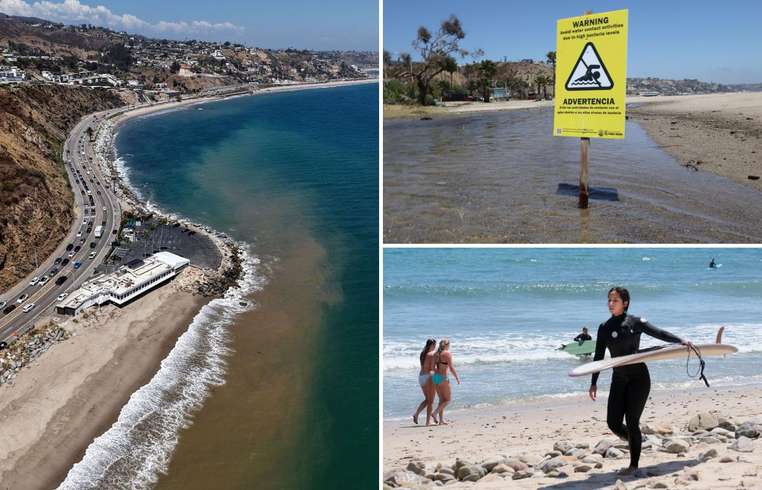
As heatwave conditions sweep across Southern California, drawing crowds to its scenic shorelines, a bacterial threat looms over several Los Angeles County beaches, complicating plans for relief from the scorching temperatures. Authorities from the Los Angeles County Department of Public Health have issued critical bacteria warnings for multiple coastal areas, cautioning against water activities in popular spots frequented by swimmers and surfers alike. Notable areas affected include the vicinity of Bel Air Bay Club storm drain at Will Rogers State Beach — where bacteria concentrations have surpassed health safety thresholds — impacting 100 yards in each direction from the club’s boundary fence. Similarly, Solstice Creek at Dan Blocker County Beach and Mother's Beach in Marina del Rey have recorded elevated bacteria levels, urging caution among those wishing to frolic in the waves. Furthermore, Inner Cabrillo Beach in San Pedro, the Castlerock storm drain at Topanga County Beach, another section of 100 yards from the storm drain in both directions, and the Santa Monica Pier's surrounding stretches also face these warnings, indicating a widespread issue across the coastal line. The advisories come at a time when soaring temperatures have become the norm, with inland areas predicted to surpass 100 degrees, while beaches offer marginally cooler climes at highs of 80s and 90s. This unfortunate conjunction of events not only dampens beachgoers’ spirits but also poses potential health risks for those keen to indulge in seaside recreation amidst the blazing heat. Health officials underscore the importance of heeding these advisories to mitigate the risks of gastrointestinal discomfort and skin infections, which could result from contact with contaminated ocean water. Efforts to manage the situation include continuous monitoring of water quality and public outreach efforts aimed at educating and updating the community about the ongoing risks. To stay informed, beach visitors are encouraged to download The California Post App, engage with updates via social media, and subscribe to newsletters that provide timely information on beach conditions and other public health announcements.
About usyoo

Categories
Tags