
News - Ericsson Faces Margin Squeeze Amid Rising Component Costs
Business Strategy
Ericsson Faces Margin Squeeze Amid Rising Component Costs
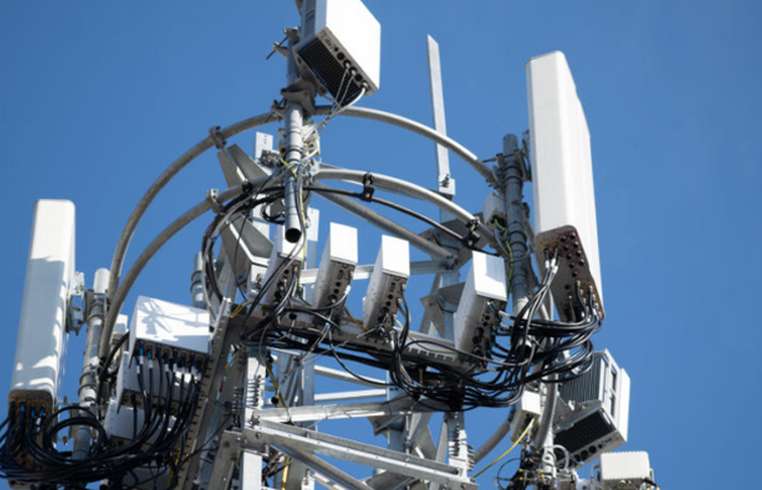
Ericsson, the Swedish telecommunications equipment manufacturer, is facing a significant financial challenge as its stock fell by up to 10% in Stockholm. This decline follows the company's announcement of shrinking profit margins due to rising component costs. A major factor in this increase is the AI-driven demand for memory chips. Analysts from Citi have expressed concerns about the persistence of these pressures, predicting they could last until 2027. CEO Börje Ekholm stated that increasing input costs are severely impacting Ericsson's core networks business, a situation further exacerbated by the rising costs of semiconductors. As Ericsson confronts these financial difficulties, it also reports a 7% decrease in second-quarter adjusted earnings before interest, taxes, and amortization, totaling 6.88 billion kronor. Although this surpassed analysts' expectations, it indicates a challenging financial future. To mitigate these impacts, Ericsson has implemented cost-cutting measures, such as cutting roughly 5,000 jobs in 2025. Additionally, the company is pursuing product substitutions, implementing targeted cost-reduction programs, and considering long-term structural adjustments like renegotiating prices on new tenders and existing contracts. BNP Paribas analysts have focused on the increasing costs Ericsson is experiencing, noting the company's financial strategy in managing the initial phases of new network rollouts. These projects, particularly involving large-scale deployments in regions such as India and Japan, require high upfront costs that reduce margins until efficiencies are optimized. Aware of the impact of semiconductor price inflation, Ericsson is constrained in its ability to pass these increases on to consumers, especially given the long-term nature of their contracts, which often do not include automatic price adjustments. While Ericsson's resilience is acknowledged, concern about the growing challenges remains. Deutsche Bank analyst Janardan Menon highlighted the competitive dynamics in play, noting how Chinese competitors might benefit from lower sourcing costs for memory chips. CEO Ekholm admitted this regional price disparity but emphasized Ericsson's commitment to innovate within these constraints. Ericsson's financial outlook for its networks suggests a gross margin guide down to 48-50%, with analysts expressing concern about maintaining balanced margins amidst these external pressures.
About usyoo

Categories
Tags