
News - Macron Advocates for a Unified European Defense as Individual Strategies Fail
Business Strategy
Macron Advocates for a Unified European Defense as Individual Strategies Fail
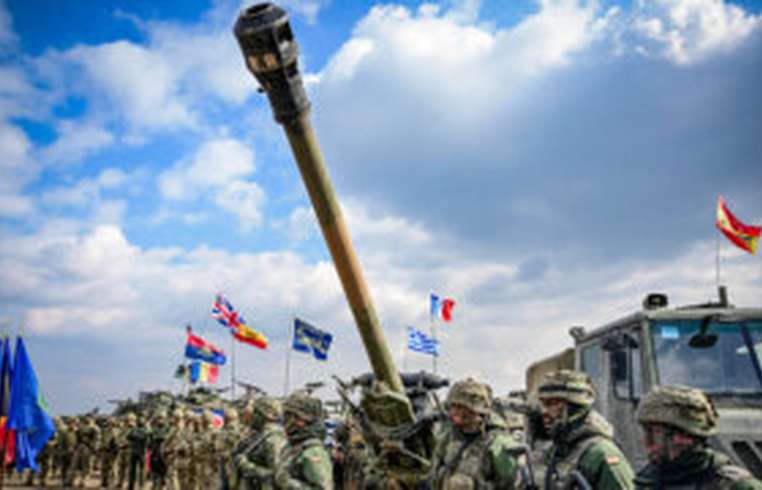
In a pivotal address ahead of France's Bastille Day celebrations, President Emmanuel Macron stressed the necessity of a unified approach to military rearmament within Europe. He criticized solitary national strategies as counterproductive and emphasized that only through collaboration can Europe bolster its defense capabilities against external threats. Addressing France's armed forces, Macron reflected on Europe's historical lessons, arguing for patriotism without slipping into nationalism. With Europe’s increased military spending in response to ongoing tensions, notably Russia's activities in Ukraine, it's vital to circumvent fragmentation and unify efforts. Macron reiterated the risk of delays and inefficiencies when European governments pursue isolated defense initiatives. He advocated for shared resources and capabilities, especially following the recent dissolution of the Franco-German Future Combat Air System (FCAS). The FCAS, once a promising joint aircraft project, faced setbacks due to industrial and leadership disagreements. Its collapse underscores the need for cooperative frameworks rather than national competition for military advancement. Amidst these discussions, Macron introduced a forward-thinking nuclear deterrence initiative, leveraging France's unique position as the EU’s nuclear power. This proposal would facilitate the temporary hosting of French strategic air forces across Europe, fortifying the region's defensive posture. Preliminary talks are underway with several nations, including the UK and Germany, to enhance nuclear deterrence. As Europe's defense dynamics evolve, shaped by both transatlantic relationships and regional security challenges, Macron's call for strategic autonomy resonates with the broader objective of a strong, cohesive Europe ready to defend itself as a singular entity. The president's vision for a European power that respects national sovereignty yet acts collectively highlights the importance of joint ventures in today's geopolitical landscape.
About usyoo

Categories
Tags