News - The remake of Disney's 'Moana' ignites a discussion on creative reboots.
Business Strategy
The remake of Disney's 'Moana' ignites a discussion on creative reboots.
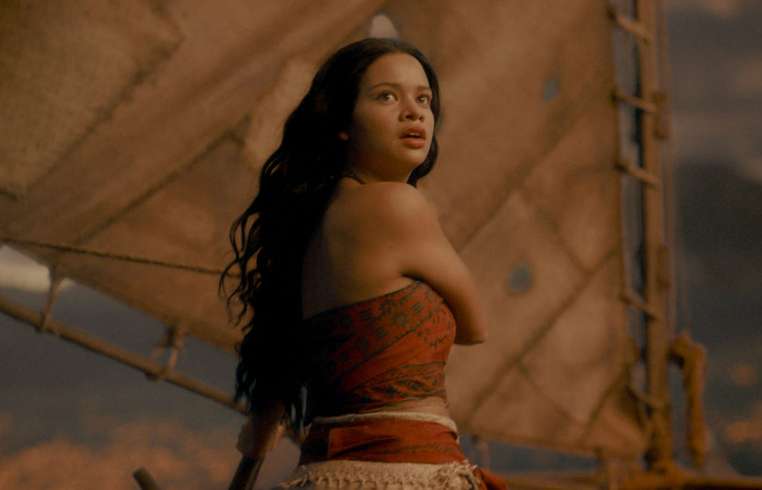
Disney's tradition of transforming animated classics into live-action films has become an expected phenomenon, akin to the certainties of life. Despite efforts to replicate the magic of 2016's esteemed 'Moana,' with Dwayne Johnson reprising his role as Maui, the remake struggles to meet expectations, raising questions about the creativity within Hollywood's remake culture. The fresh take on 'Moana' aims to echo the original's vibrant energy, yet ends up pacing slowly, sparking critique over the necessity and timing of such reboots. With only a ten-year gap since the original's release, audiences lack the generational bridge that often justifies remakes, prompting discussions on whether a 'drinking age' limit should be applied before revisiting cinematic masterpieces. Critics suggest that simply adding contemporary aesthetics or star power, like Lin-Manuel Miranda’s contributions or Dwayne Johnson's involvement, falls short of reinvigorating beloved stories. Instead, there's a growing demand for movies that both honor and reimagine classic tales with fresh perspectives, as seen in the more innovative approaches of films like 'Dumbo' by Tim Burton. In a landscape where new narratives like 'Project Hail Mary' garner more attention, the call is clear: Disney and other studios should focus on creativity rather than nostalgia-driven cash grabs. Successful adaptations, such as the live-action 'How to Train Your Dragon,' prove that enriching the storyline is possible and profitable, highlighting the potential for truly transformative film remakes. While the allure of revisiting favorites like 'Hercules' or 'Frozen' persists, the lessons from 'Moana' suggest the necessity for studios to infuse new life and imagination into these ventures. The legacy of Walt Disney himself was built on creativity and innovation, and maintaining that spirit is vital for the future of these cultural touchstones.
About usyoo

Categories
Tags