News - The name 'Andrew' is experiencing a decline in popularity due to controversies involving royalty.
Business Strategy
The name 'Andrew' is experiencing a decline in popularity due to controversies involving royalty.
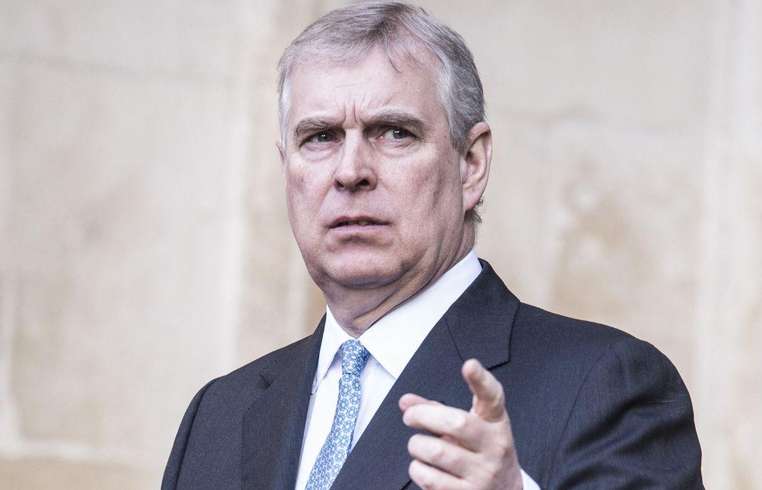
Former Duke of York, Andrew Mountbatten-Windsor, is witnessing his first name's steep decline in popularity in England and Wales, highlighting an intensifying 'toxic' brand effect linked to his controversial past. Current statistical data points to this trend, with merely 125 newborns being named Andrew in 2025, sending the name plummeting to a historical low joint 334th position alongside less common names like Zorawar and Hussain. The name Andrew, once a staple in the 1960s' top name charts, finds itself overshadowed by the associated scandals involving Jeffrey Epstein, greatly affecting public perception. Royal watchers emphasize this stark shift, noting that the name is now often perceived as unfashionable or even 'tainted.' 'Parents today are immensely aware of cultural content and associations,' noted a palace insider, highlighting the impact Andrew's notoriety has had on its current perception. Historically, Andrew was cherished, ranking as the third most popular boys' name in 1964 and maintaining its stronghold into the late 20th century. Yet, between 1996 and now, a precipitous decline has been observed, leaving the name at a low point today. Even the nickname 'Andy' reflects this unfavorability, with only 21 instances recorded in 2025. Contrastingly, names linked with more favorable royal figures like William and Charles maintain or rise in the rankings, underscoring the selectivity of public affinity towards royal names. For instance, Prince William's name increased in demand, while Queen Camilla's name saw a surge in popularity, aligning with her evolved public image. The Office for National Statistics released data highlights broader societal trends. Muhammad leads the boys' name chart for its third successive year, and Olivia continues her ten-year reign among girls' names. Interestingly, we've seen Nigel's numbers dwindle and names like Donald, despite controversial correlations with figures like Donald Trump, experiencing minimal resurgence. Academics suggest notable individuals often accelerate these trends, marking Andrew's name decline as indicative of broader societal shifts in cultural perceptions. A historian explained, 'This downfall of Andrew isn't just about changing name preferences but is emblematic of broader cultural realignments regarding the name's contemporary standing in Britain.'
About usyoo

Categories
Tags