News - An Unprecedented Drone Threat Emerges South of the US Border
Business Strategy
An Unprecedented Drone Threat Emerges South of the US Border
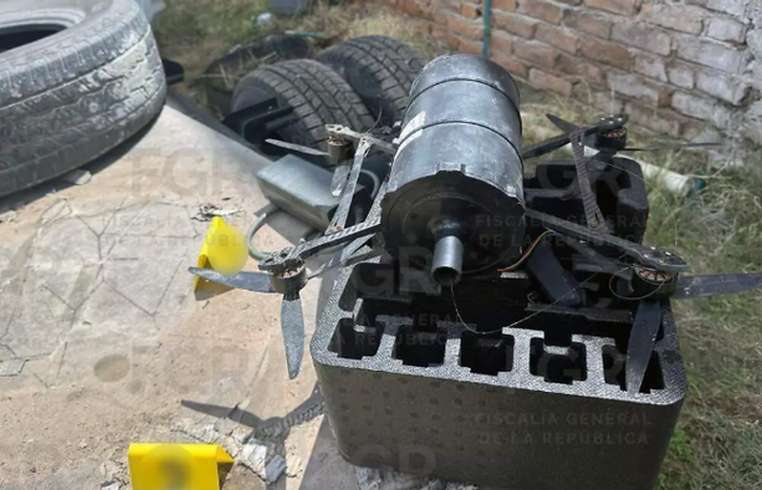
In a rapid evolution of modern warfare tactics, the global spread of low-cost suicide drones is raising significant concerns among the US military and national security experts. Recent findings underscore the urgency to fortify critical infrastructure against potential drone attacks, as these affordable yet destructive devices present a feasible threat to assets ranging from military bases to energy facilities. A notable incident occurred in the Dolores del Río area of north-central Mexico, approximately 500 miles from the US-Mexico border. Mexican authorities unearthed an alarming cache during a raid, uncovering an unjammable fiber-optic kamikaze drone—a type traditionally seen in Eurasian war zones. This discovery has amplified the calls for the US to accelerate its protection strategies against emerging unmanned aerial threats. The raid was prompted by a public tip-off handled by the Attorney General's Office, leading federal law enforcement to execute a comprehensive search. Alongside the fiber-optic drone, authorities confiscated firearms, ammunition, vehicles, and other equipment suspected to be used for illicit activities—demonstrating the multifaceted nature of the security threat. The presence of such drones just beyond the US border prompts a reevaluation of defense measures. Historically engaged in European and Gulf conflicts, these drones' transition to closer spheres highlights an increased vulnerability. It signals a need for the US to bolster its defenses through advanced counter-drone technology and enhanced security protocols, aiming to prevent potential devastations. As strategic locations like airports, refineries, and data centers become more susceptible to drone-based disruptions, the imperative for heightened national security investments grows. Analysts emphasize the importance of swift adaptation to this changing dynamic, securing pivotal infrastructure against not only current but also future asymmetric threats. For a closer examination of the sudden rise in drone warfare and its implications for national defense, further analysis is available.
About usyoo

Categories
Tags