
News - SCOTUS Term Redefines Trump-Era Executive Power
Business Strategy
SCOTUS Term Redefines Trump-Era Executive Power
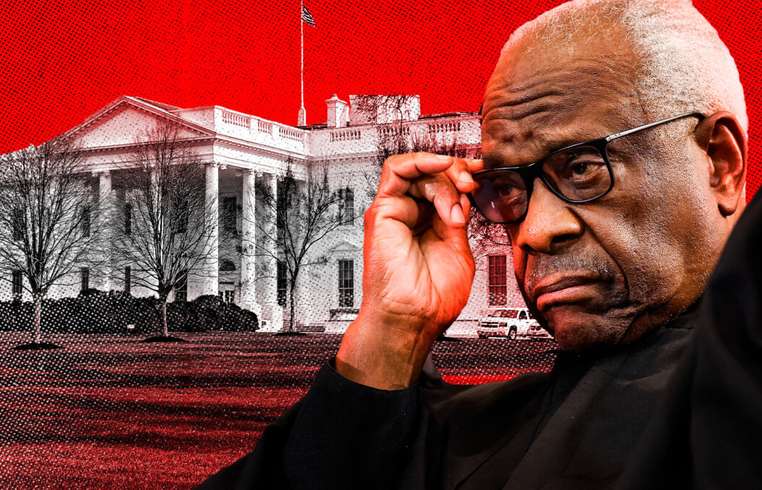
In the recently concluded 2025–2026 term of the U.S. Supreme Court, the central focus was on presidential power and the court's role in defining its limits. This term garnered significant attention due to President Donald Trump's pronounced use of executive authority, reminiscent of his previous term. Trump enacted bold actions bypassing Congress, raising questions on executive overreach and the constitutional limits of such power. Despite setbacks in various Supreme Court cases, Trump received noteworthy support from certain justices, particularly Justice Clarence Thomas. Thomas consistently advocated for unchecked executive authority, supporting Trump's unilateral decisions in pivotal issues like tariffs and immigration. A major case involved the president's tariff-making powers, where a majority of justices, including two appointed by Trump, ruled against his administration, noting that Congress held this power. In dissent, Justice Thomas argued for limitless delegation of powers to the executive branch, redefining constitutional norms regarding the separation of powers. Thomas's legal perspectives extended to immigration issues, as seen in Mullin v. Doe, where he supported removing temporary protected status for Haitian and Syrian nationals. While the majority opinion led by Justice Alito cited race-neutral reasons for upholding the administration's decision, Thomas challenged the court's role in questioning executive constitutional authority. These rulings highlight a lasting legacy of expanded presidential powers driven by Supreme Court interpretations. As these interpretations progress, the debate over checks on executive authority remains contentious, influencing U.S. governance. This expansion of presidential power, bolstered by specific judicial endorsements, is likely to affect the balance of federal power for years to come.
About usyoo

Categories
Tags