

News - Toyota's Move Signals Shift in Auto Manufacturing
Business Strategy
Toyota's Move Signals Shift in Auto Manufacturing
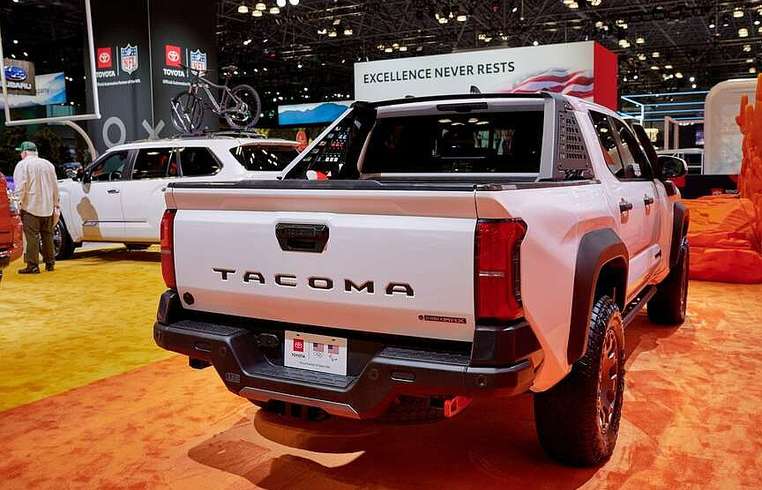
The landscape of North American auto manufacturing is on the brink of transformation as Toyota Motor Corp. announces the relocation of its popular Tacoma truck production from Mexico to Texas. This decision underscores a growing uncertainty in U.S.-Mexico trade relations, as manufacturers recalibrate in response to the absence of a long-term USMCA trade pact extension. Amid President Donald Trump’s recent decision to forgo a 16-year USMCA renewal in favor of annual reviews, the auto industry in Mexico is preparing for potential repercussions. Experts believe Toyota's shift could signal the beginning of a broader trend where other automakers reconsider their Mexican operations in favor of U.S. facilities to avoid tariff implications and maintain competitiveness. Industry insiders report that various manufacturers are actively assessing backup production plans, with the possibility of reducing output and reconfiguring supplier networks. Gabriela Siller, Banco Base's director of economic analysis, warns of a domino effect where additional firms could follow Toyota’s lead, fearing diminishing competitiveness over time. This shift is particularly significant in Mexico, where automotive manufacturing represents a substantial 4.5% of its GDP. Siller highlights the threat posed to the Mexican economy, despite the current high proportion of U.S.-made parts in Toyota's vehicles. Throughout the industry, discussions have intensified around moving portions of production across the border or re-engineering supplier contracts to prioritize U.S. components. The hesitant outlook on USMCA's future continuity accelerates these conversations, sources indicate. Toyota North America's statement underscores its long-term strategic resilience, aligning shifts in manufacturing to both trade policy changes and overarching business goals. As one of the latest companies adapting to a U.S.-first trade approach, Toyota's decision highlights President Trump's tariffs' significant influence. Recent shifts by automakers such as General Motors and Hyundai, alongside adjustments by Nissan, indicate a growing trend of reconsidering and relocating production lines. While Mexico can bypass some of Trump's 25% auto tariffs through USMCA compliance, challenges persist due to nuanced import tax structures. Amid these hurdles, Mexico's automobile export figures remain robust, illustrating the sector's adaptability. Economist Julio Ruiz suggests manufacturers are realigning production rather than exiting Mexico entirely, optimizing tariff navigation by strategically adjusting select production lines. This article includes contributions from Chester Dawson of Bloomberg.
About usyoo

Categories
Tags