

News - The global fleet of Liquefied Natural Gas (LNG) carriers is anticipated to witness an 8.4% growth by the year 2025.
Business Strategy
The global fleet of Liquefied Natural Gas (LNG) carriers is anticipated to witness an 8.4% growth by the year 2025.
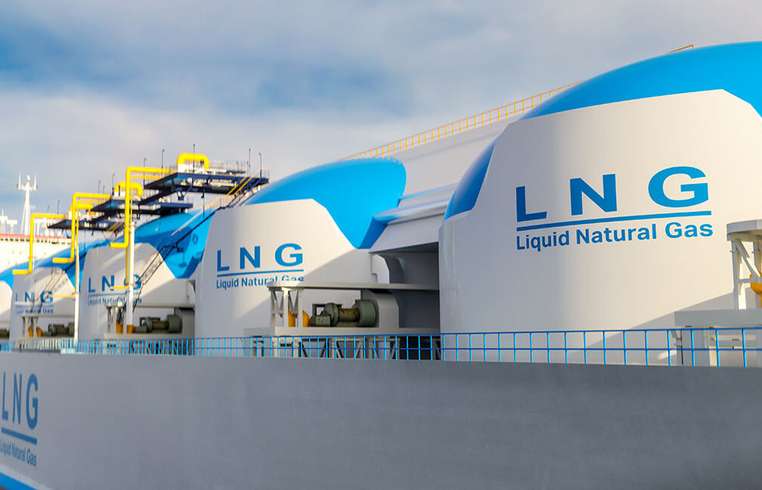
In a year marked by significant developments in the global energy market, the liquefied natural gas (LNG) fleet experienced a notable expansion. By the end of 2025, the fleet size had grown by an impressive 8.4%, reaching a total of 804 vessels, according to the International Gas Union's latest report. Looking ahead, projections indicate that an additional 301 LNG tankers will be constructed by 2031, highlighting the sector’s rapid expansion and the anticipated increase in global LNG production. The sharp increase in the number of LNG carriers reflects the growing demand for LNG as a cleaner alternative to coal and oil, as countries strive to meet international environmental standards. Despite this surge, the growth in available LNG supplies has not been as fast, leading to significant market pressures. Throughout 2025, the market witnessed the add-on of 79 new tankers, notwithstanding the challenges posed by restraints in LNG supply increments. The addition of these vessels indicates a strong belief in the sector’s long-term prospects, despite the short-term pressures. The rapid expansion of the LNG fleet has actually outpaced the growth of LNG trade itself, a trend that resulted in a decrease in freight rates as ship supply exceeded demand. The increased fleet size has ensured that transport capacity remains ahead of LNG production growth, a strategic move anticipating future market expansions. As the year closed out, an unprecedented number of new shipbuilding orders were placed, with 301 new vessels designated for production. This significant order book reflects industry confidence in the continued rise of LNG consumption globally. Looking forward, the LNG sector faces the challenge of aligning shipping capacities with production outputs, ensuring that continued growth in fleet size complements the actual increase in LNG supply. Stakeholders remain optimistic that this proactive approach will smooth over potential market imbalances, fostering a more stable and efficient global energy transition. Overall, 2025 marked a significant year for the LNG shipping industry, characterized by strategic expansions and investments designed to support the global pivot towards more environmentally-sound energy solutions. As the world increases its reliance on natural gas, the growth in shipping capacity underscores an industry preparing for a future of increased demand and expanded global trade.
About usyoo

Categories
Tags