News - Instagram Cat Account Creator Accuses Secret Service of First Amendment Violation
Business Strategy
Instagram Cat Account Creator Accuses Secret Service of First Amendment Violation
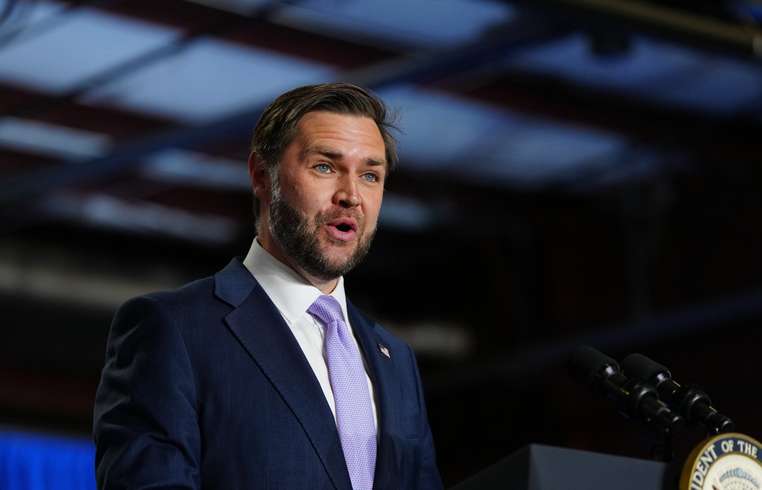
Amanda McGonigle, known for her satirical Instagram account @catsonacouch, is embroiled in a legal battle against the Office of the President and the Secret Service. The incident that sparked the lawsuit occurred when McGonigle, an outspoken critic of Vice President JD Vance, was barred from entering a public event in Bangor, Maine. According to her lawsuit, McGonigle alleged that five armed Secret Service agents approached her as she waited in line, explicitly indicating that her political stance was the reason for the exclusion. McGonigle, who humorously describes her account as a 'petty cat account' dedicated to trolling the Trump administration and specifically targeting Vance, seeks legal intervention to stop what she describes as a recurring pattern of suppression of her freedom of expression. The @catsonacouch account, which has gathered almost 2 million followers, originated from a statement by Vance in 2021, where he disparagingly referred to some Democrats as 'childless cat ladies.' McGonigle has since used the platform to poke fun at Vance with a series of humorous posts, including memes and mock 'Wanted' posters. Despite her lighthearted approach, McGonigle emphasizes the serious legal implications of her exclusion from the event. In her lawsuit supported by the ACLU, McGonigle contends that her denial of entry was a clear violation of her First Amendment rights. She underscores that all indications from the President's Office suggested that the event was public, and that her denial symbolizes undue censorship of her viewpoints. Previously, McGonigle had encountered similar situations, such as when she registered for a Vance event in Iowa but never received confirmation to attend. Her lawsuit stresses the potential for future exclusions at Vance's public appearances, along with the looming threat of criminal charges without judicial intervention. The case brings into focus the boundaries of free speech in public political discourse and raises questions about the use of government resources in potentially restricting access based on political opinions. The ACLU attorney representing McGonigle underscored the importance of protecting First Amendment rights, especially when government figures are involved. This legal challenge could have significant implications not only for McGonigle but also for how public political events handle dissent and free speech rights on social media platforms. As the legal proceedings unfold, the White House and the Secret Service have yet to issue a response to the lawsuit's claims.
About usyoo

Categories
Tags