News - Claude Giroux's innovative contract highlights the NHL's veteran strategy.
Business Strategy
Claude Giroux's innovative contract highlights the NHL's veteran strategy.
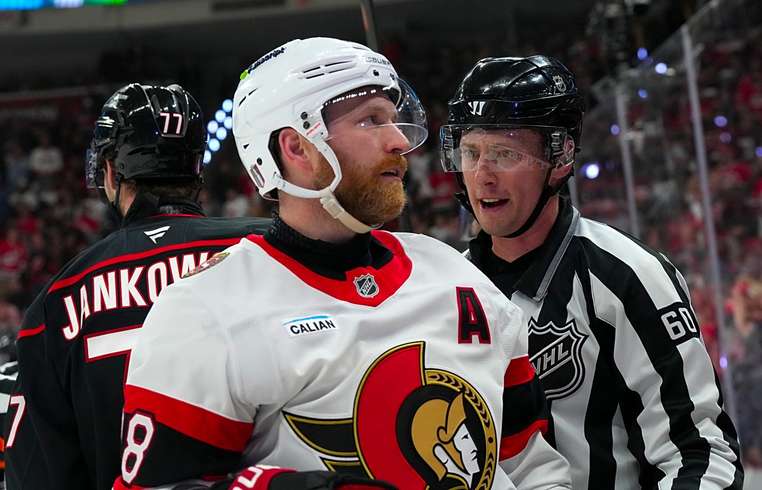
Claude Giroux is set to continue his journey with the Ottawa Senators, a story of both loyalty and strategic contract innovation. At 38, the seasoned forward has signed a unique performance-based deal that reflects an evolving approach in the NHL towards veteran players. While the contract offers a $2 million base salary, it includes up to $3 million in potential bonuses, epitomizing the league's shift towards integrating flexibility and prudence into roster management. Giroux's track record speaks volumes; last season he amassed an impressive 49 points over 82 games. His contribution to Ottawa transcends mere statistics—Giroux brings an arsenal of experience, an understanding of the NHL landscape, leadership, and a tactical prowess that young teams desperately need. The intricacies of this contract are noteworthy. More than just figures, these terms demonstrate how the Senators, like other NHL teams, are reshaping their approach to veteran player contracts. They hedge potential outcomes of high-caliber performance against the natural decline that can accompany aging athletes. Giroux's contract signifies a belief in his ongoing value yet acknowledges the innate uncertainties of sustaining high performance levels. Beyond the numbers, Giroux's role in the team encompasses invaluable mentorship, guiding burgeoning talents through the complexities of NHL seasons. Amid such transformations, his strategic intelligence and game awareness become vital assets for Ottawa's aspirations. Looking ahead, speculations swirl around how Giroux's career might evolve. Whether he cements his legacy in Ottawa or becomes a strategic asset for the Senators at the trade deadline remains uncertain. However, his current contract illustrates the NHL's cutting-edge approach to aligning player compensation with performance realities while maximizing team potential. Claude Giroux's situation not only highlights one player's journey but underscores a broader, creatively economic trend in NHL team management—a spotlight on adapting contracts to match the evolving landscape of player longevity and team strategy. The Senators' move could very well set a precedent as teams strive to balance expectations with veteran realities.
About usyoo

Categories
Tags