News - Tensions Rise as Russia Eyes Poland for Potential Provocations
Business Strategy
Tensions Rise as Russia Eyes Poland for Potential Provocations
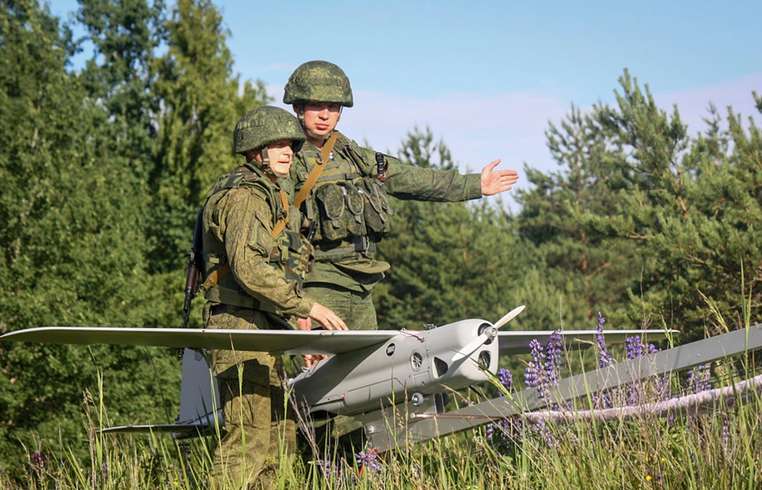
In a developing geopolitical landscape, the United States has alerted Poland of potential provocations from Russia, which could involve military maneuvers within Polish borders. According to multiple sources, the Kremlin might launch strategic missile strikes or send drones to target key infrastructure in Poland. Another possibility includes staged border incidents with Russian soldiers crossing into Poland, ostensibly due to navigation errors, aiming to test NATO's unity and response. These activities may also serve Russia's intent to sow discord among Western allies, as they continue to support Ukraine amidst ongoing conflicts. The Telegraph and Onet reported that intelligence indicates possible Russian plans to carry out these acts as a means to challenge the North Atlantic Treaty Organization's (NATO) readiness and commitment to protect its members. The underlying objective appears to be to create tension and uncertainty within NATO ranks, potentially affecting their unwavering support for Ukraine. Polish and American defense circles believe that these provocations, though risky, could be crafted as hybrid attacks designed to blur the line between military aggression and plausible deniability. Such an approach might involve non-conventional warfare tactics, cyber operations, or misinformation campaigns aimed at creating confusion and misdirection among Polish forces and the broader public. NATO officials expressed readiness to respond decisively to any violations of the alliance's security. Possible responses discussed include reinforcing military presence in key areas, increasing intelligence sharing, and potentially launching counter-measures against Russian military assets in Kaliningrad, a heavily militarized Russian enclave bordering Poland and Lithuania. While these scenarios remain hypothetical, they highlight the fragile security situation in Eastern Europe and the potential for rapid escalation. The international community, especially NATO allies, remain vigilant, closely monitoring the situation as diplomatic efforts continue to defuse tensions. The scenario serves as a reminder of the importance of deterrence, cohesion, and preparedness in the face of possible authoritarian threats aimed at destabilizing the region.
About usyoo

Categories
Tags