
News - Controversial Calls: UFC Fighters Demand Referee Accountability
Business Strategy
Controversial Calls: UFC Fighters Demand Referee Accountability
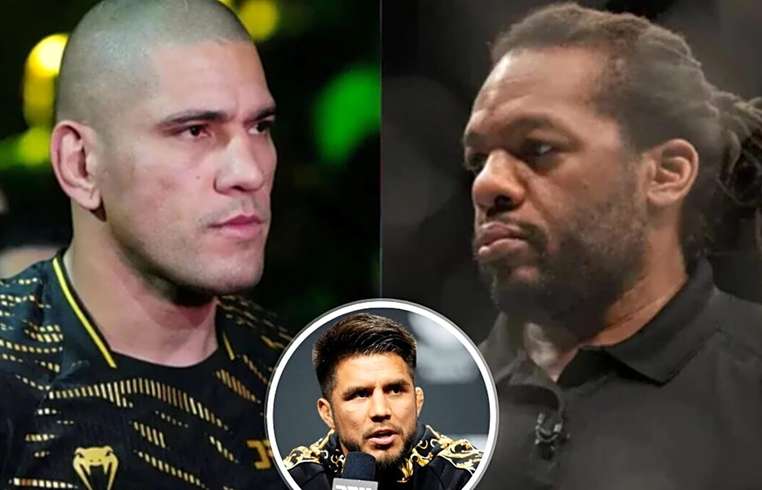
Tensions are escalating in the UFC as prominent fighters and fans have voiced their discontent with veteran referee Herb Dean's officiating in recent high-profile fights. The uproar began with Alex Pereira's second-round knockout loss to Ciryl Gane at UFC Freedom 250, where Pereira accused Dean of failing to penalize unpermitted head strikes that contributed to his defeat. Adding fuel to the fire, an incident at UFC Baku sparked further outrage. During the co-main event, referee Herb Dean issued several warnings to Sharaputdin Magomedov for unsportsmanlike conduct, including hair pulling and an eye poke, but stopped short of deducting points. This decision allowed ‘Shara Bullet’ to secure a unanimous decision win, further infuriating Pereira, who labeled the lack of action cowardly. Henry Cejudo, another influential fighter, has joined the chorus of voices calling for a reassessment of officiating standards. Cejudo recounts his own experience in the cage, where a series of fouls by Song Yadong—culminating in a critical eye poke—went unpunished by referee Jason Herzog. The fight ended with a technical decision in Yadong’s favor, establishing in Cejudo’s mind that verbal warnings are insufficient to deter foul play. The debate around officiating practices extends beyond gauging what is fair, as the ramifications can include serious injury, moral judgments, and end-results impacting championship trajectories, such as Michael Bisping’s infamous eye injury or Tom Aspinall’s corrective surgery following fouls by Ciryl Gane. Despite persistent calls for disciplinary measures against referees, notable officials like John McCarthy argue against overzealous reprimands. Acknowledging the speed and intensity of the sport, McCarthy defends the occasional referee error, urging the MMA community to understand the human element of officiating. He advocates for honest reflection and accountability among referees instead of immediate sanctions. Diverging opinions exist within the community regarding measures like suspensions. While proponents like Cejudo demand clear accountability, figures like McCarthy believe improvement comes through transparency and self-assessment among officials. The shared consensus, however, remains: mere warnings are inadequate when fighter safety and career outcomes are at stake. As discussions continue, the integrity of MMA refereeing hangs in the balance, prompting deeper examination of the rules and responsibilities governing the sport’s officials.
About usyoo

Categories
Tags