
News - Urgent Aid Needed in Venezuela After Devastating Quake
Business Strategy
Urgent Aid Needed in Venezuela After Devastating Quake
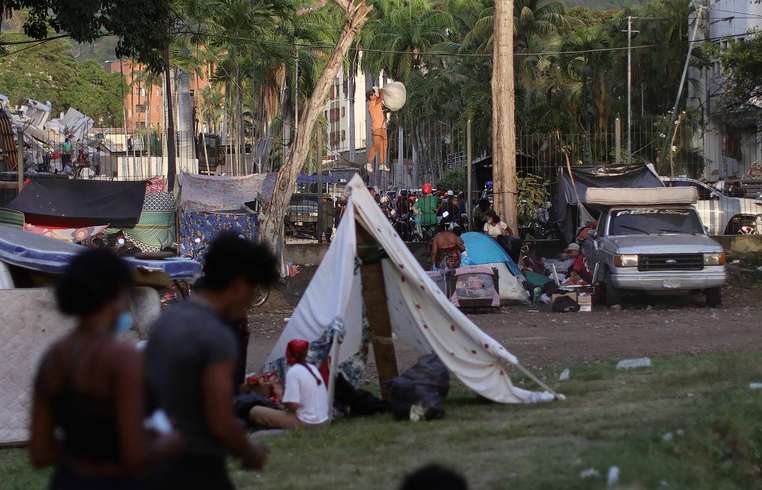
In the wake of a potent 7.5 magnitude earthquake in Venezuela, over 500,000 residents now face the urgent need for emergency food assistance, as reported by the United Nations World Food Program (WFP). The natural disaster, which struck the state of Yaracuy, has exacerbated an already dire food security situation, with food prices far exceeding the average household income. Prior to the quake, Venezuelans struggled with access to affordable food, with the cost of basic necessities rendering them unattainable for most households. Now, as the nation grapples with the aftermath, the WFP is expediting efforts to expand its reach to the hardest-hit areas. To facilitate this response, the WFP is leveraging well-established transport and logistics networks within Venezuela and neighboring Panama, where it has maintained operations for the past five years. With an initial call for $50 million in funding, the organization aims to provide critical food relief over the next three months to those affected by the seismic activity. In a robust strategy to mitigate this humanitarian crisis, the WFP has structured its operations to potentially scale up assistance, addressing the needs of up to one million individuals, contingent on further financial support. The earthquake brought widespread devastation, with the death toll surpassing 1,700 people and the tremors being felt across the region. The series of quakes sent shockwaves through communities, disrupting livelihoods and further straining the vulnerable food supply chain. In response, international calls for assistance have been amplified, urging donors and nations to contribute towards alleviating this humanitarian emergency. The WFP's immediate intervention seeks not just to deliver sustenance but also to foster recovery through coordinated logistics and communication efforts, ensuring that aid reaches those who need it most during this critical time.
About usyoo

Categories
Tags